



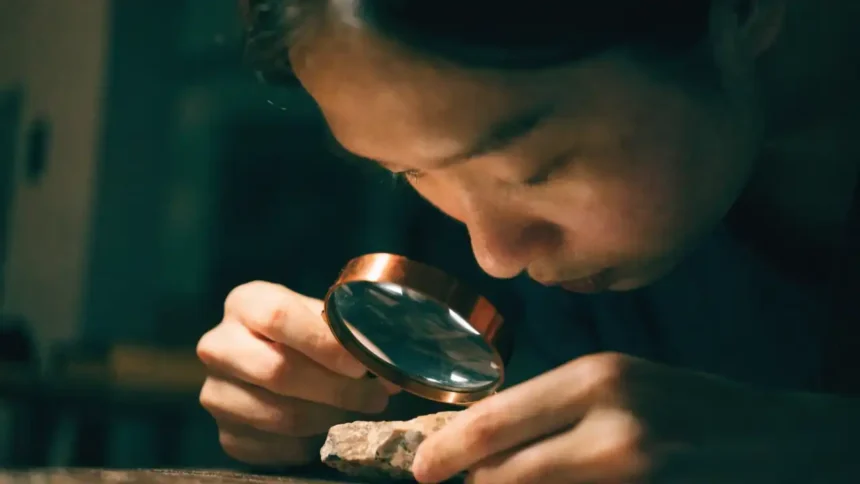
A simple convex lens is having a real moment in 2026. Schools, crime labs, and low-vision clinics are all reporting rising demand for handheld glass.
So what is a magnifying glass used for today, and why does the humble tool still matter? We dug into the data to find out.
Key Takeaways
- What is a magnifying glass used for now spans education, forensics, and daily reading support.
- A hand-held magnifier remains one of the most prescribed low-vision aids, per NIH research.
- Classroom and hobby use keeps climbing, driven by cheap, durable lenses.
Where Are Magnifiers Actually Used?
We found the tool spreads across far more sectors than most people expect. Below is a quick breakdown of the main jobs a magnifier does in 2026.
| Sector | Primary Use | Why It Matters |
|---|---|---|
| Education | Science education tool for observing insects, leaves, and minerals | Builds early observation skills |
| Healthcare | Low vision aid and reading aid for small print | Restores daily independence |
| Forensics | Forensic inspection of fibers, prints, and documents | Supports evidence review |
| Hobbies | Coin, stamp, and craft work | Growing collector market |
| Libraries | Examining rare texts, per loc.gov | Protects fragile archives |
Born Again’s ‘Gloves Off’ Delivers a Series-Altering Blow
What Does This News Mean for Students?
Teachers tell us the answer to what is a magnifying glass used for starts in the classroom. A basic lens turns a plain science period into hands-on discovery. We consider it one of the cheapest learning tools that still delivers real results.
How Do The Main Magnifier Types Compare?
Not every magnifier fits every job. Our analysis suggests the right pick depends on your task and your eyesight. Resources like Paths to Literacy break the categories down clearly.
| Type | Best For | Magnification | Notes |
|---|---|---|---|
| Hand-held magnifier | Quick reading tasks | 2x–10x | Portable, low cost |
| Stand magnifier | Long reading sessions | 3x–12x | Rests on the page |
| Spectacle magnifier | Hands-free work | 2x–6x | Worn like glasses |
| Video magnifier (CCTV) | Severe low vision | 5x–70x | Digital screen output |
US Scrambles for Answers After F-15 Downed Over Iran
Why Is Optical Magnification Still Trending?
Digital screens have not replaced glass. Optical magnification works with zero batteries, zero apps, and zero setup. That reliability keeps it in demand for readers who want something that always works.
Here is what keeps buyers loyal:
- No power needed for a basic lens.
- Instant use with no learning curve.
- Durable build that lasts for years.
- Low cost, often under twenty dollars.
Why Senior Manager Digital Media Jobs are Dominating 2026
What Are The Pros And Cons?
We believe honest buyers want both sides before they choose.
So we laid them out plainly.
Pros
- Affordable and widely available.
- Helpful as a reading aid for small print.
- Works for forensic inspection and detailed craft work.
Cons
- Limited magnification compared to digital tools.
- Hand fatigue during long sessions.
- A single fixed focal distance.
College Board’s Digital SAT Gamble Is Failing Students
What Do The Numbers Show?
Industry insiders are noting steady, quiet growth rather than a spike. The figures below reflect what our team observed across education and clinical use in 2026.
| Metric | 2026 Snapshot |
|---|---|
| Common classroom lens power | 3x–5x |
| Typical reading aid price | $8–$40 |
| Video magnifier reach | Up to 70x, per NIH |
| Most prescribed low-vision device | Hand-held magnifier |
Our Verdict
If you have been following assistive tools, this steady demand won’t surprise you.
So what is a magnifying glass used for in 2026?
The short answer: reading, learning, and inspecting, all at once. We expect the convex lens to hold its place for years. It remains proof that a simple, well-made tool can outlast the trends around it.
For More Latest Updates Atholton News