



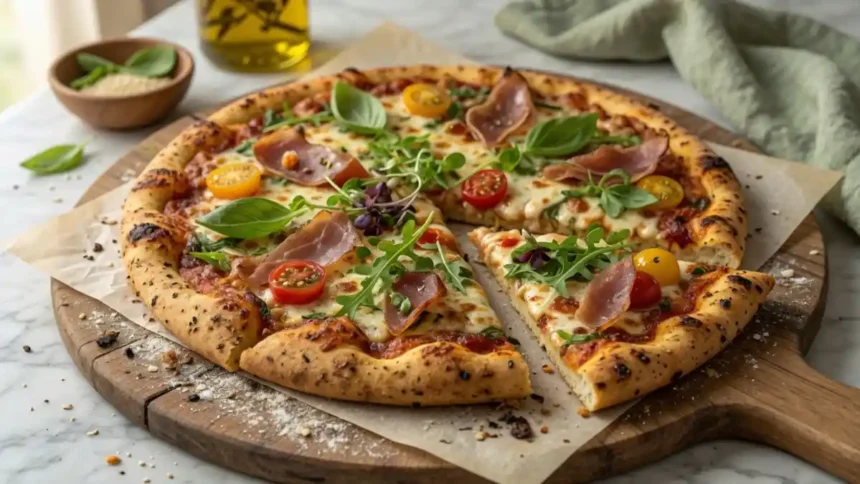
Home cooks across India are rewriting pizza night, and the gluten free pizza crust recipe is now leading that shift.
Sales of alternative flours climbed sharply through 2026, and grocery data shows no slowdown.
Our analysis suggests the trend is less about fashion and more about health, taste, and better ingredients.
For anyone with dietary limits, this matters.
Megyn Kelly Resurfaces Old Footage Inside Missing Nancy Guthrie’s Bedroom
Key Takeaways
- Almond flour pizza crust and cauliflower pizza base options lead new home-cooking searches this year.
- Celiac-friendly pizza demand is rising as diagnosis rates and awareness improve.
- A reliable gluten free baking mix can cut prep time, though results still depend on technique.
Why Is Everyone Talking About This Now?
Industry insiders are noting a clear move away from wheat-only kitchens.
The reason is practical, not trendy.
More people are diagnosed with gluten sensitivity, and reliable data from the Celiac Disease Foundation confirms steady growth in awareness.
Guidance from the U.S. National Institutes of Health also helps families understand what to avoid.
If you’ve been following gluten-free baking, this won’t come as a surprise.
We found that home cooks want texture and flavor, not just a “safe” label.
That expectation is pushing recipes to improve fast.
Atholton Spring Break Sports Camps & Practice Schedule
Gluten Free Pizza Crust Recipe Reshapes Dining
Home cooks across India are rewriting pizza night, and the gluten free pizza crust recipe is now leading that shift.@gfpalate @GlutenFreeNosh @GlutenFreeFM https://t.co/qIWx9w0XPL
— Atholton News (@atholtonnews55) August 12, 2026What Goes Into a Good Crust?
Our team observed that the base ingredient decides everything.
A rice flour pizza dough delivers a familiar chew, while almond flour adds a nutty, tender bite.
Cauliflower keeps things light and lower in carbohydrates.
Each option behaves differently in the oven, so results vary.
Here are the building blocks we recommend testing:
- Base flour — almond, rice, or a blended gluten free baking mix.
- Binder — xanthan gum or psyllium husk, which help replace the stretch that gluten normally provides.
- Moisture — eggs, olive oil, or water, balanced carefully.
- Leavening — yeast or baking powder, depending on the style.
Which Flour Should You Choose?
Choosing a base can feel confusing, so we compared common options directly.
The right pick depends on your goal: crisp, soft, or low-carb.
Research published by Harvard T.H. Chan School of Public Health supports the nutritional value of nut-based flours.
The differences below are noticeable in real kitchens, not just on paper.
Atholton Bids Farewell to the Class of 2024
| Flour / Base | Texture | Best For | Approx. Cost (per kg) |
|---|---|---|---|
| Almond flour | Tender, rich | Almond flour pizza crust | ₹900–₹1,200 |
| Rice flour | Chewy, neutral | Rice flour pizza dough | ₹120–₹200 |
| Cauliflower | Light, soft | Cauliflower pizza base | ₹80–₹150 |
| Blended mix | Balanced | Everyday baking | ₹300–₹500 |
What Does This Mean for You?
The practical benefit is control. You choose ingredients, texture, and thickness at home.
A gluten free thin crust pizza can turn crisp when you press the dough thin and bake it hot.
Trusted advice from the Mayo Clinic reminds cooks that cross-contamination still matters, even at home.
Quick wins we tested:
- Preheat your tray or stone, guidance echoed by King Arthur Baking.
- Rest the dough so binders hydrate fully.
- Bake hot, following methods reviewed by Serious Eats.
The Bottom Line
This shift can make pizza night inclusive without sacrificing taste.
Standards from the U.S. FDA help you read labels with confidence.
Our analysis suggests the gluten free pizza crust recipe movement will keep maturing through 2026 and beyond.
Start with one base, test it twice, and adjust from there.