



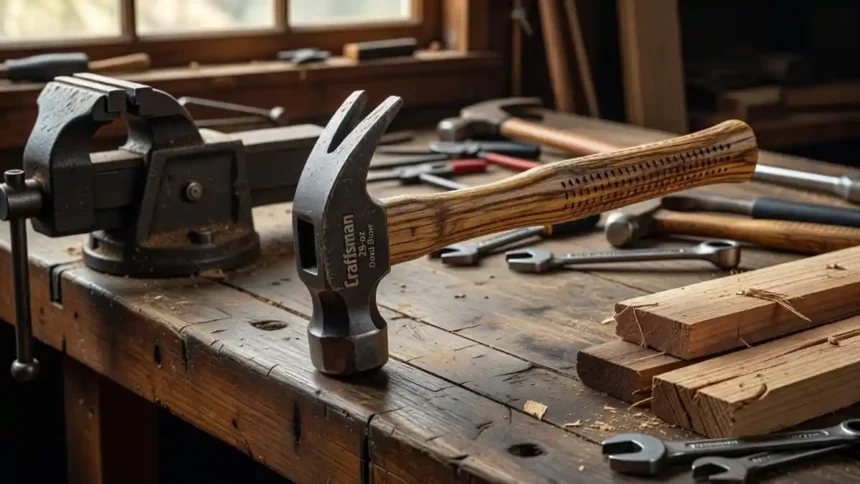
Anyone who has swung a steel hammer knows the sting of rebound.
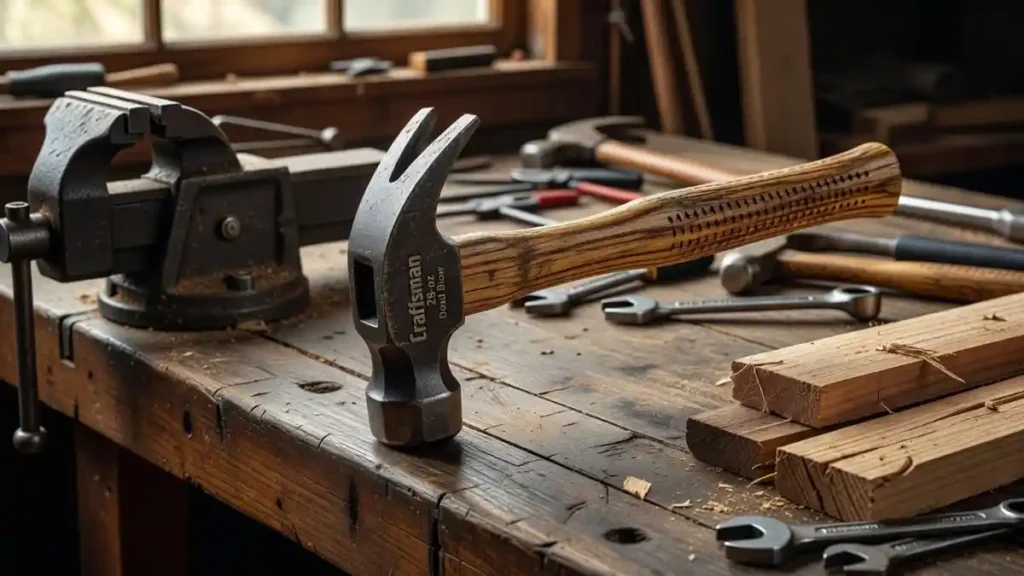
The craftsman 28-oz dead blow hammer aims to fix that with a sand-filled head that absorbs shock and stops the bounce.
For mechanics, woodworkers, and DIY users, that difference can mean fewer marred surfaces and less hand fatigue.
The tool is not new, but demand for it keeps climbing.
Donald Trump Joked About Marriage Duration During King Charles Visit
Key Takeaways
- The 28-oz dead blow mallet uses a shifting internal fill to reduce rebound and deliver controlled force.
- Its shock-absorbing hammer design helps protect finished surfaces and lower user fatigue.
- As part of the CRAFTSMAN hand tools line, it fills a mid-weight niche between light mallets and heavy sledges.
What Makes a Dead Blow Different?
A standard hammer bounces back after impact. A dead blow mallet does not, because loose material inside the head shifts forward and cancels most of the rebound.
That shift is the whole point of an anti-rebound hammer.
According to the Occupational Safety and Health Administration, controlling impact force is a core factor in hand-tool safety.
Our analysis suggests the 28-ounce weight sits in a practical range: heavy enough for real work, light enough for control. You feel the difference on the first strike.
Where Does It Fit in the CRAFTSMAN Lineup?
CRAFTSMAN has built its name on affordable, warranty-backed CRAFTSMAN hand tools.
The brand’s history and reputation are documented by Encyclopaedia Britannica, which notes its long standing in American toolmaking.
The weighted mallet category has grown as more users move away from bare tool steel faces that damage soft materials.
Industry insiders are noting steady interest in mid-weight options. We found that buyers often pick the 28-oz size as a first dead blow purchase.
Lucy & Co. Unicorn Magic Dog Collar Wins 2026
How Does It Compare to Other Hammers?
We put the main hammer types side by side.
The table below shows why a shock-absorbing hammer appeals to careful users.
| Hammer Type | Weight Range | Rebound | Best Use |
|---|---|---|---|
| Dead blow (28 oz) | 24–32 oz | Very low | Auto work, assembly, joinery |
| Rubber mallet | 12–24 oz | Low | Light tapping, tent stakes |
| Ball-peen (steel) | 16–32 oz | High | Metalwork, shaping |
| Sledge | 2–20 lb | High | Demolition, driving stakes |
Weight alone does not tell the full story; rebound control does.
What Are the Pros and Cons?
We weighed the tradeoffs honestly.
Pros:
- The anti-rebound hammer design reduces bounce and helps prevent slips.
- The soft face can protect finished wood, chrome, and painted parts.
- A 28-oz weight balances striking power with hand control.
Cons:
- It is not a non-sparking hammer, so it is unsuited to flammable or gas environments.
- A dead blow head will not shape metal the way a steel peen can.
- The polymer shell can wear over years of heavy use.
The honest read is simple. This tool serves a specific job well, but it does not replace every hammer in your kit.
Dianna Russini resigned amid scandal while husband remains publicly active
Is It Safe for Precision Work?
Safety and surface protection drive most dead blow purchases.
The U.S. Consumer Product Safety Commission tracks tool-related injuries, and reduced rebound can lower the risk of a mis-hit.
Woodworking guidance from Fine Woodworking also favors soft-face mallets for assembly. A dead blow mallet lets you seat joints without denting the wood.
That control is worth more than raw power on fine work.
Queen Elizabeth Secretly Mocked Melania Trump as Silent and Remote
Craftsman 28-oz Dead Blow Hammer Real Value
The craftsman 28-oz dead blow hammer aims to fix that with a sand-filled head that absorbs shock and stops the bounce.@ToolGuyd @0xTotT @craftsman https://t.co/dkL2spEdrV
— Atholton News (@atholtonnews55) August 13, 2026What Does This Mean for You?
If your work involves assembly, automotive tasks, or joinery, the value case holds up.
The craftsman 28-oz dead blow hammer offers controlled force, a protective face, and a familiar warranty.
Before you buy, confirm the tasks you face most often and whether a non-sparking hammer is required for your environment.
Match the tool to the job, and it can serve you for years.