



Waymo Vehicle Passenger Privacy: What Waymo Knows About You While You Ride — And What It Can Do With That Information
→ Wyatt Russell Is Living Proof That the Apple Doesn’t Fall Far From the Tree
The San Mateo incident felt like a minor headline at first: two teenagers, an Orbeez gun, some alcohol, and a robotaxi that ended the trip early while police were on the way. But the story underneath that story is worth paying closer attention to, especially if you have ever stepped into a Waymo vehicle and assumed you had a moment of privacy.
→ The Costa Concordia Disaster: The Modern-Day Shipwreck That Killed 32 People and Shocked the World
You almost certainly did not.
What Is Actually Happening Inside a Waymo
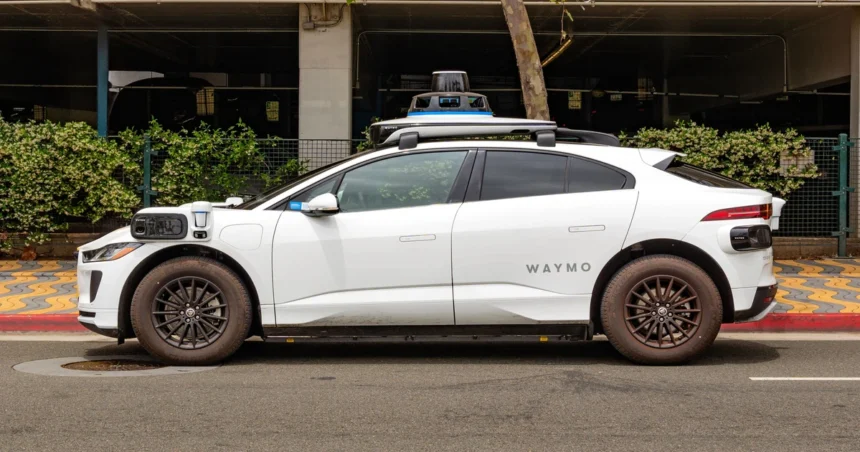
Waymo vehicles are built for external awareness. They carry cameras, lidar, radar, and microphones designed to map the environment around the car in real time. What many passengers do not fully register is that the sensor array also faces inward. Cameras monitor the cabin. Microphones can pick up audio. That data does not just sit in a log somewhere. In at least some situations, it is reviewed by human employees while the ride is still in progress.
The San Mateo case made this explicit. When the two 15-year-olds began behaving erratically inside the vehicle, it was not an automated system that decided to call 911. Waymo employees watched a live video feed from inside the car, concluded they were seeing a real firearm being fired from a moving vehicle, and contacted law enforcement. The company then shared the vehicle’s location and disabled the robotaxi so police could intercept it.
That is a meaningful distinction. A private company monitored passengers in real time, made a judgment call about what it was watching, and brought police into the situation. The machine did not make that decision. People did.
The Gap Between Policy and Passenger Expectation
Most riders probably understand, in a vague sense, that autonomous vehicles collect data. Waymo’s privacy policy does disclose that it records video and audio inside its vehicles. But disclosure and genuine understanding are different things. There is a gap between knowing a sentence exists in a terms-of-service document and actually internalizing that a live human being at a remote operations center might be watching your ride in real time.
That gap matters for a few reasons.
First, the threshold for triggering human review is not publicly defined. In San Mateo, the concern was serious enough that most people would agree intervention was appropriate. But the public does not know what other behaviors, sounds, or visual cues might prompt an employee to pull up a live feed. Arguing with a partner? Crying? Having a conversation that touches on something sensitive? Waymo has not published a clear standard for when passive monitoring becomes active human review.
Second, once a human employee is watching and decides something warrants police contact, the passenger has no opportunity to explain themselves before law enforcement arrives. The company becomes, in effect, an unaccountable intermediary between a private citizen and the state.
The Broader Shift in How Ride-Hailing Works
Traditional ride-hailing and taxi services have always involved a degree of surveillance. Drivers can observe passengers, and many vehicles have dashcams. But a human driver in the front seat also creates a social dynamic. Passengers know someone is present. Drivers use judgment in the moment. They can de-escalate, redirect a situation, or make nuanced calls that no remote monitoring setup can fully replicate.
In a driverless vehicle, that informal human authority disappears. There is no driver to mediate. The social contract of the ride changes. And the company filling that vacuum is doing so with tools that are far more powerful than anything a human driver carries: continuous video, audio, location data, and the ability to stop the vehicle entirely.
That is not inherently wrong. The San Mateo teens were doing something genuinely dangerous, and it is reasonable that Waymo had a way to respond. But the power imbalance that arrangement creates deserves scrutiny that it has not yet received.
What Riders Should Actually Know
If you use Waymo, a few things are worth keeping in mind before you get in.
The cameras inside the cabin are active during your ride. Audio may also be captured. Waymo’s privacy policy governs how that data is stored and used, but the details of when human employees can access live feeds are not spelled out in plain language for the average user.
The company can stop your vehicle remotely and share your location with police if it determines there is a safety concern. You will not be notified before that happens, and you will not have a chance to provide context.
None of this means Waymo is operating outside the law. It almost certainly is not. But the legal baseline for passenger privacy in autonomous vehicles is still being worked out, and the regulations that govern traditional taxis or even conventional rideshare services were not written with this model in mind.
Where This Goes From Here
The San Mateo incident is unlikely to be the last time a Waymo intervention ends up in the news. As the company expands into more cities and handles more rides, the probability of situations that require human review will only grow. So will the questions about who sets the threshold, who does the reviewing, and what oversight exists for those decisions.
Regulators, privacy advocates, and lawmakers are starting to notice. What happens next will probably depend on whether the public decides these are acceptable tradeoffs for the convenience of a driverless ride, or whether the idea of a private company watching your commute in real time is something worth pushing back on.
That is a conversation worth having before the technology gets much further ahead of the rules.
Relevant posts
- LeConte Lodge’s Iconic Recreation Building Is Coming Down After 50 Years on the Mountain
- Bryan Johnson Has Autoimmune Gastritis. Here’s What That Diagnosis Actually Means
- Costco Is Being Sued Over Orgain Protein Powder — Here’s What Shoppers Need to Know
Visit atholtonnews.com for more stories.