



Introduction
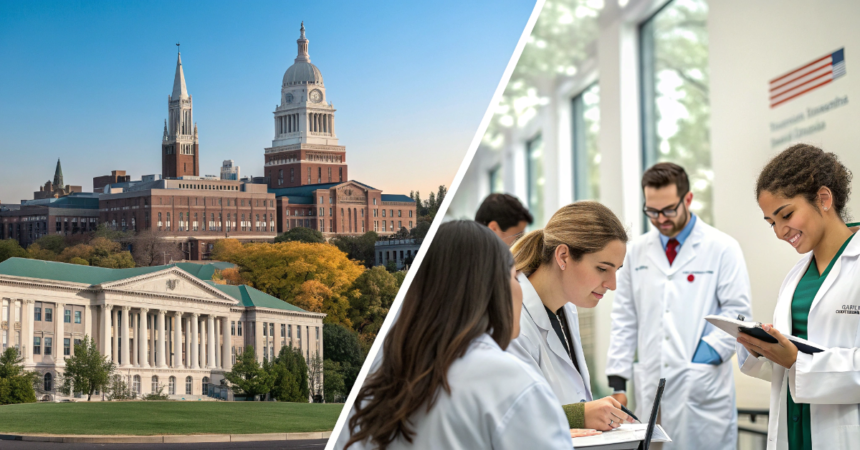
The Best Medical Schools in the US are known for producing highly skilled doctors, groundbreaking medical research, and innovative healthcare technologies. These universities attract students from around the globe and provide them with access to top hospitals, experienced faculty members, and advanced laboratories. Because of their high academic standards and research excellence, the Best Medical Schools in the US consistently rank among the top universities in the world.
Why Study Medicine in the United States?
Before exploring the Best Medical Schools in the US, it is important to understand why the U.S. is considered one of the top destinations for medical education.
1. World-Class Research Facilities
Many American universities lead global medical research. Their laboratories and hospitals develop new medicines, surgical methods, and healthcare technologies.
2. Advanced Clinical Training
Students receive hands-on experience in some of the world’s most advanced hospitals and healthcare systems.
3. Global Recognition
Medical degrees from U.S. universities are widely recognized worldwide, opening doors to international career opportunities. Atholton High School
4. Diverse Specializations
Students can pursue many medical fields such as:
- Cardiology
- Neurology
- Pediatrics
- Oncology
- Biomedical research
The United States has more than 150 MD-granting medical schools and around 40 DO-granting schools, providing a wide range of academic programs. US Education Grading System in 2026
Top 10 Best Medical Schools in the US (2026)
Below is a table showing some of the Best Medical Schools in the US based on global rankings, academic reputation, and research performance.
| Rank | Medical School | Location | Key Strength |
| 1 | Harvard Medical School | Boston, Massachusetts | Global research leadership |
| 2 | Stanford School of Medicine | Stanford, California | Innovation & biotechnology |
| 3 | Johns Hopkins School of Medicine | Baltimore, Maryland | Clinical research excellence |
| 4 | UCSF School of Medicine | San Francisco, California | Primary care & public health |
| 5 | Yale School of Medicine | New Haven, Connecticut | Patient-centered education |
| 6 | University of Pennsylvania (Perelman) | Philadelphia, Pennsylvania | Biomedical research |
| 7 | Columbia Vagelos College | New York, New York | Medical research & innovation |
| 8 | Duke University School of Medicine | Durham, North Carolina | Surgical and translational research |
| 9 | University of Michigan Medical School | Ann Arbor, Michigan | Strong clinical training |
| 10 | University of Washington School of Medicine | Seattle, Washington | Public health leadership |
These universities consistently appear in global rankings because of their research impact, faculty expertise, and collaboration with healthcare systems.
1. Harvard Medical School
Harvard Medical School is widely considered one of the Best Medical Schools in the US. Located in Boston, it has built a strong reputation for innovation and medical discoveries.

Key Highlights
- Founded in 1782
- Strong research funding and global partnerships
- Access to top hospitals such as Massachusetts General Hospital
Harvard leads many global rankings due to its outstanding research environment and academic influence in medicine.
Students at Harvard benefit from:
- Early clinical exposure
- Advanced biomedical research programs
- Collaboration with global healthcare organizations
2. Stanford University School of Medicine
Stanford University is another major name among the Best Medical Schools in the US.
What Makes Stanford Unique?
Stanford focuses heavily on technology and medical innovation. Its proximity to Silicon Valley encourages collaboration between medicine, engineering, and artificial intelligence.

Students often work on projects related to:
- Medical robotics
- Digital health technologies
- Genetic medicine
- Biomedical engineering
Stanford also scores highly in industry collaboration and research quality in global rankings.
3. Johns Hopkins School of Medicine
Johns Hopkins School is famous for its clinical research and medical discoveries.

Why Johns Hopkins Is Important
- Pioneer in modern medical education
- Strong focus on clinical training
- Major research funding
The university is known for its partnerships with healthcare systems and research institutions, giving students real-world medical experience.
4. University of California, San Francisco (UCSF)
UCSF is one of the Best Medical Schools in the US for students interested in public health and patient care.

Key Strengths
- Strong focus on primary care
- Top research in infectious diseases
- Advanced training hospitals
UCSF plays an important role in global health research and medical innovation.
5. Yale School of Medicine
Yale Education is known for its unique teaching style and student-centered curriculum.
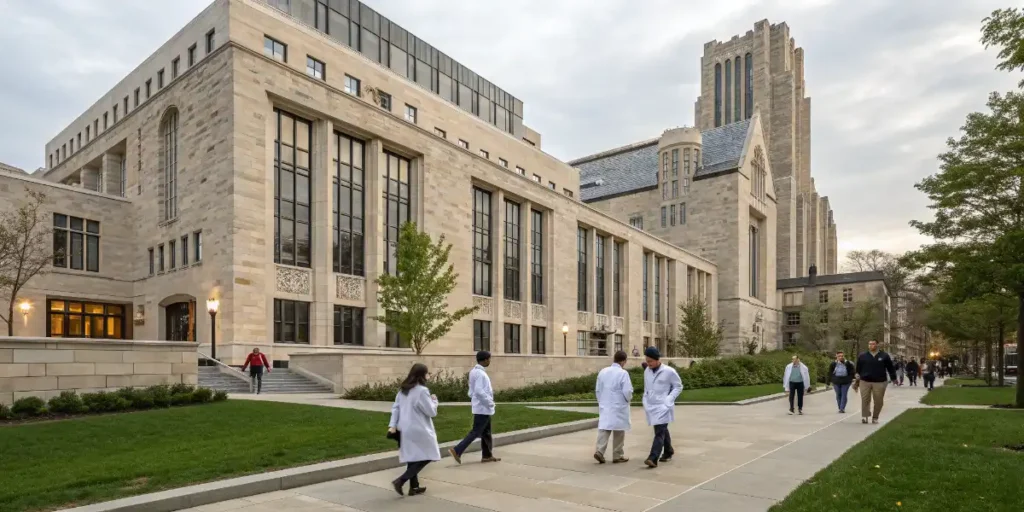
The Yale System
Instead of traditional grading systems, Yale encourages:
- Independent research
- Collaborative learning
- Critical thinking
This approach helps students develop deeper understanding and clinical skills.
6. University of Pennsylvania – Perelman School of Medicine
The Perelman School of Medicine is one of the oldest medical schools in the United States.
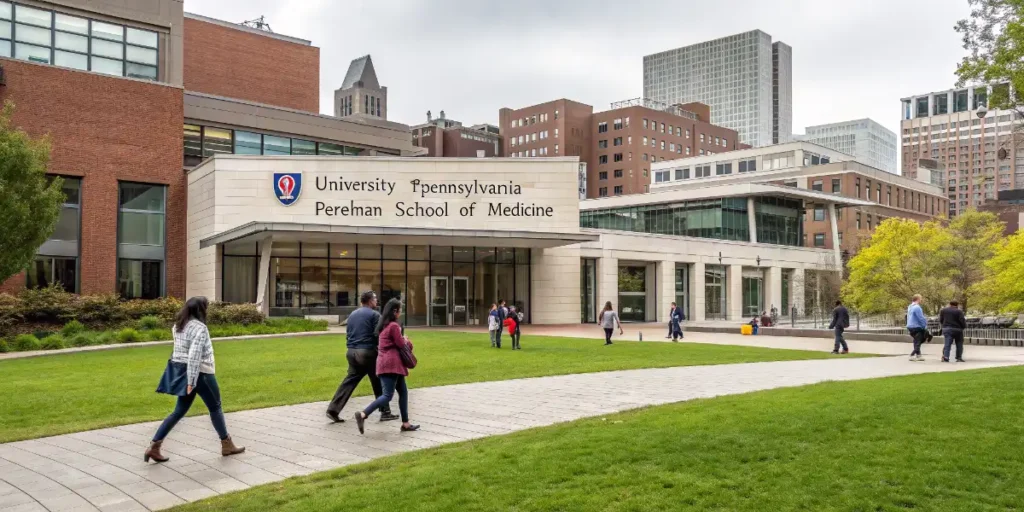
Key Features
- Strong biomedical research programs
- Access to advanced hospitals
- Collaboration with pharmaceutical companies
The university is recognized globally for medical innovation and research partnerships.
7. Columbia University Vagelos College of Physicians and Surgeons
Located in New York City, Columbia University Vagelos College offers students access to diverse patient populations and advanced hospitals.

Areas of Excellence
- Neuroscience research
- Precision medicine
- Global health programs
Students often participate in international medical missions and research initiatives.
8. Duke University School of Medicine
Duke University is known for its accelerated medical curriculum.

Unique Program Structure
Duke’s program typically includes:
- One year of basic sciences
- One year of clinical rotations
- One year dedicated to research
This structure allows students to gain deep research experience.
9. University of Michigan Medical School
The University of Michigan has one of the largest academic medical centers in the United States.

Advantages
- Strong residency placement rates
- Advanced healthcare simulation labs
- Interdisciplinary research programs
Students benefit from collaboration with engineers, scientists, and public health experts.
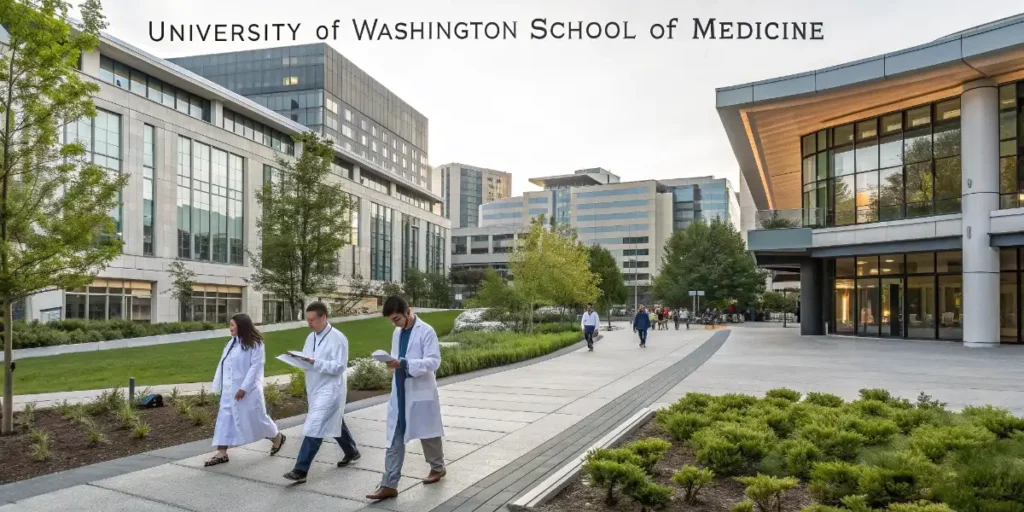
10. University of Washington School of Medicine
The University of Washington is highly respected for community healthcare training.
Why Students Choose UW
- Focus on rural healthcare
- Strong public health programs
- Large clinical training network
The school trains physicians to serve underserved communities.
Admission Requirements for US Medical Schools
Getting into the Best Medical Schools in the US is extremely competitive.
Most schools require:
1. Bachelor’s Degree
Students must complete an undergraduate degree, usually in biology, chemistry, or related fields.
2. MCAT Exam
The Medical College Admission Test evaluates:
- Biology knowledge
- Chemistry understanding
- Critical reasoning skills
3. Clinical Experience
Applicants often need:
- Hospital volunteering
- Medical internships
- Research experience
4. Letters of Recommendation
Strong recommendations from professors or doctors improve admission chances.
Cost of Studying at the Best Medical Schools in the US
Medical education in the U.S. can be expensive. Tuition varies by institution.
| University | Average Annual Tuition |
| Harvard Medical School | ~$72,000 |
| Stanford School of Medicine | ~$65,000 |
| Johns Hopkins School of Medicine | ~$60,000 |
| UCSF School of Medicine | ~$55,000 |
| Yale School of Medicine | ~$65,000 |
These figures are estimates for 2026 and may change depending on scholarships or financial aid programs.
Many universities offer scholarships, grants, and loan assistance programs to support students.
Career Opportunities After Studying Medicine in the US
Graduates from the Best Medical Schools in the US have many career options.
Common Career Paths
- Physician or Surgeon
- Medical Researcher
- Public Health Specialist
- Biomedical Scientist
- Healthcare Administrator
Doctors trained in the U.S. often work in:
- Hospitals
- Research laboratories
- Pharmaceutical companies
- Global health organizations
Future Trends in US Medical Education (2026 and Beyond)
Medical education continues to evolve with new technologies.
Key Trends
1. Artificial Intelligence in Medicine
AI tools help doctors diagnose diseases faster and more accurately.
2. Personalized Medicine
Doctors use genetic data to create customized treatment plans.
3. Telemedicine Training
Students learn how to treat patients remotely using digital platforms.
4. Interdisciplinary Learning
Medical students collaborate with engineers and data scientists.
These innovations will shape the future of healthcare education.
Tips for Getting Into the Best Medical Schools in the US
If you want to study at one of the Best Medical Schools in the US, consider these strategies:
Start Early
Build a strong academic foundation during high school and college.
Focus on Research
Participate in laboratory or medical research projects.
Gain Clinical Experience
Volunteer at hospitals or healthcare centers.
Develop Leadership Skills
Join student organizations or healthcare initiatives.
Conclusion
Choosing the right medical school is one of the most important decisions for aspiring doctors. The Best Medical Schools in the US provide world-class education, advanced research opportunities, and extensive clinical training.
Institutions such as Harvard, Stanford, Johns Hopkins, and Yale continue to lead global rankings because of their strong research programs, innovative teaching methods, and partnerships with major hospitals.
For More Latest Updates Atholton News