



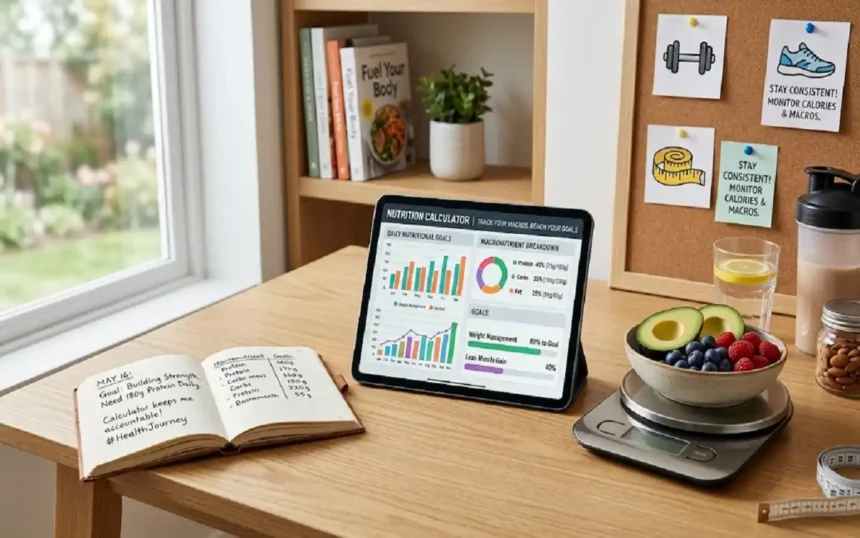
Do you know exactly what’s on your plate when you sit down to eat? Guessing calorie counts and macronutrient content often leads to frustration and stalled progress when trying to improve your health. Achieving better nutrition requires more than good intentions—a reliable nutrition calculator can provide the precise data you need to properly fuel your body.
By breaking down your meals into clear nutritional information, a nutrition calculator removes the guesswork from dieting and weight management. This article explores the purpose and benefits of these tools, how they empower smarter dietary choices, and how to use them effectively. You’ll also learn what features to look for when choosing the best option for your lifestyle.
What Is a Nutrition Calculator?
A nutrition calculator is a digital tool that analyzes the nutritional content of the foods and beverages you consume. By entering specific ingredients, portion sizes, or entire recipes, the tool generates a detailed breakdown of calories, fats, carbohydrates, proteins, vitamins, and minerals.
These calculators use extensive food databases, often sourced from verified organizations or user submissions, to provide accurate results. This eliminates the need to manually calculate nutrition or cross-check food labels.
You can access nutrition calculators in various formats, including websites for detailed recipe analysis or mobile apps for on-the-go tracking. Many restaurants also offer their own calculators to help you navigate their menus with ease.
Read: Looking into the Future: University Fieldtrip
The Benefits of Using a Nutrition Calculator
A nutrition calculator brings structure and clarity to your eating habits. It provides immediate feedback, helping you understand portion sizes and identify hidden calories in everyday meals.
Make Informed Food Choices
Knowledge is key when it comes to nutrition. A calculator reveals how much sodium is in that “healthy” soup or the sugar content of your morning smoothie. With this insight, it’s easier to replace high-calorie ingredients with nutrient-rich alternatives.
This awareness minimizes mindless eating and allows you to align meals with your health goals. Whether you want to lose weight, build muscle, or manage a health condition, a nutrition calculator helps you tailor your diet to meet your needs.
Track Macronutrients and Calories
Tracking calories is essential for weight management, but the quality of those calories matters too. Nutrition calculators make it simple to monitor your macronutrients—protein, carbs, and fats—ensuring balanced energy and proper body function.
For athletes and fitness enthusiasts, precision is vital. A calculator helps you hit protein targets for muscle recovery or adjust carbs for endurance training. It simplifies the complexities of nutrition into manageable daily habits.
How to Use a Nutrition Calculator Effectively
Accuracy is crucial for getting the most out of a nutrition calculator. Use a kitchen scale to measure your food instead of estimating portion sizes. This ensures the data you input matches what you’re actually eating.
Consistency is equally important. Log meals before eating whenever possible, allowing you to adjust portions or ingredients to stay within your limits. Entering meals after eating can create unwelcome surprises.
Don’t overlook small items—condiments, cooking oils, sauces, and snack portions can add up quickly. Tracking everything ensures a complete and honest view of your daily intake.
Dining Out? Customize Your Experience
Tracking meals while dining out can feel overwhelming, but many restaurants now offer digital tools to help. For example, the Qdoba Nutrition Calculator allows you to build your meal online and see the exact calorie and macronutrient breakdown before ordering. Tools like these make it easier to customize meals to fit your goals without guessing.
Why Health-Conscious People Use Nutrition Tools
Health-conscious individuals know consistency drives results. Nutrition calculators provide accountability by offering a clear picture of your diet, helping you identify patterns and areas for improvement.
Over time, these tools also become educational. After a few weeks, you’ll naturally memorize the nutritional values of your common foods, allowing you to make smarter choices even without using the app.
Additionally, these tools help separate marketing claims from reality. For example, a product labeled as a “healthy snack” may be loaded with sugar or fat. A quick entry into your calculator reveals the truth, preventing misleading advertising from derailing your efforts.
Tips for Choosing the Best Nutrition Calculator
With so many options available, finding the right nutrition calculator requires some research. Look for tools with large, verified food databases—missing items or unverified entries can lead to inaccurate results.
Choose a calculator with a user-friendly interface. If an app or website is clunky or hard to navigate, you’re less likely to stick with it. Features like barcode scanners, recipe import tools, and the ability to save favorite meals are particularly helpful.
Finally, consider whether you need advanced features. Basic calculators are ideal for calorie counting, but premium options may also track micronutrients, water intake, or exercise. Select a tool that matches your goals without overloading you with unnecessary data.
Take Control of Your Nutrition
A nutrition calculator is a powerful tool for anyone serious about improving their health, managing weight, or optimizing performance. By providing accurate insights into your meals, these tools eliminate guesswork and make it easier to stick to your goals.
Start by downloading a reliable app or bookmarking a trusted web calculator. Commit to logging your food for one week, and see how much you learn about your eating habits. With the right tools and consistent effort, you can build a diet that supports a healthier, happier you.
Regular Update Visit Atholton News Page