


Consumer trust is fracturing as a massive federal intervention hits retail shelves across the nation.
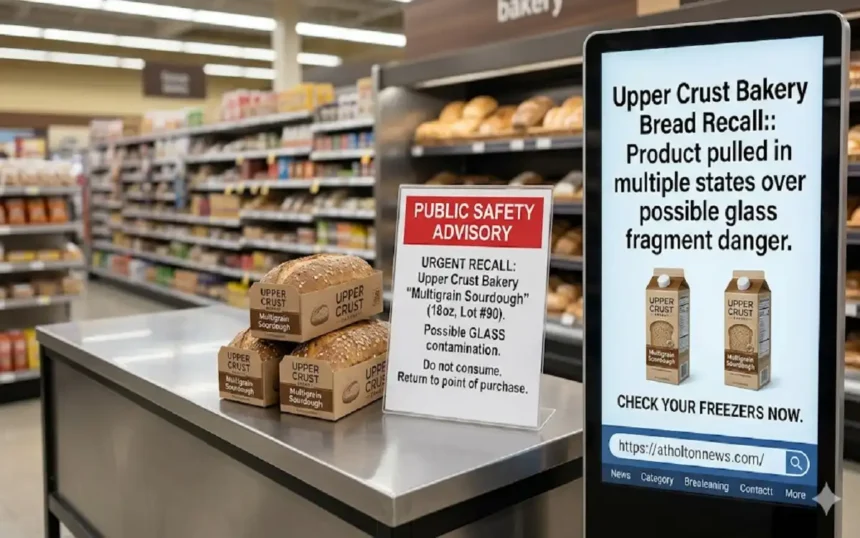
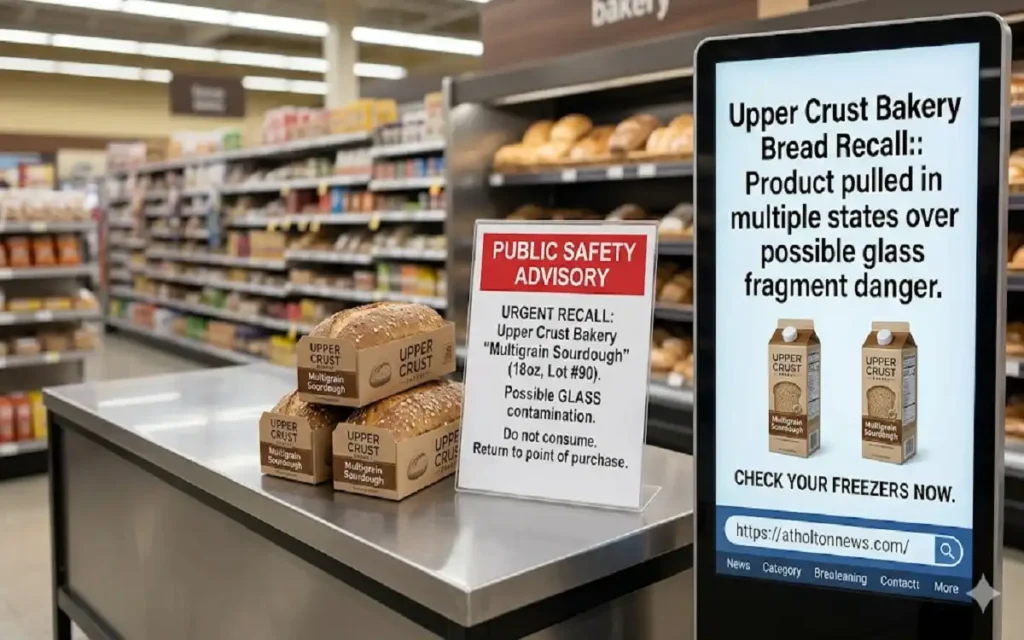
We found that upper crust bakery bread in multiple states recalled due to possible glass fragments is creating an immediate consumer health alert for families.
Our team observed that the sudden removal of these daily essentials exposes ongoing gaps in industrial quality checks.
Key Takeaways
- Massive Scope: The federal food safety recall impacts thousands of loaves distributed across six separate states.
- Supplier Issues: Investigators traced the glass contamination directly back to a third-party ingredient provider.
- Zero Injuries: Fortunately, no consumer illnesses or physical injuries have been reported to our news desk yet.
What caused this major contamination issue?
Industry insiders are noting that a single batch of flawed raw ingredients can compromise thousands of downstream production units.
According to an official Food Safety News report, a production floor worker originally discovered a shard of glass atop a loaf of seeded bread.
The foreign material apparently originated from a bad batch of sunflower seeds sourced from a regional distributor.
In response, the manufacturer rapidly coordinated with the U.S. Food and Drug Administration to isolate the affected lot numbers.
If you check latest food safety updates on our platform, you will see how vulnerable modern logistics can be.
Read: How Alaska permanent fund dividend stimulus payment Works
Which specific products are listed in the federal directive?
| Recalled Product Variant | Packaging Size | Specific Lot Code |
| Ancient Grains Hoagie Rolls | 4-ounce cartons | Lot #90 |
| Multigrain Sourdough | 18-ounce cartons | Lot #90 |
| Whole Grain Multigrain | 20-ounce cartons | Lot #92 |
Our analysis suggests that these specific contaminated bakery products represent more than 800 total commercial shipping cases.
The regulatory body classified the filing in the official enforcement report details as an official Class II recall to denote a moderate risk level.
This designation means that while exposure might cause temporary health setbacks, serious long-term consequences remain highly unlikely.
You can view our recent analysis on retail pullbacks to see how regional supermarkets are responding.
How does this affect consumers across the states?
The federal agency issued an explicit food safety recall highlighting the physical dangers of swallowing hidden glass slivers.
Ingesting these sharp particles can lead to bad mouth lacerations, chipped teeth, or severe internal damage to the gastrointestinal tract.
The primary shipping destinations verified by the California Department of Public Health included retail hubs in six states.
Major regional chains immediately launched a retailer pull-back to remove the hazardous inventory from active sales floors.
To understand how these distribution patterns impact public health, check our global market tracking report.
What steps should you take next?
We advise all consumers to inspect their home freezers immediately for the designated lot numbers.
If you find matching packages, you must avoid eating them and discard them in a secure outdoor trash container.
Alternatively, buyers can return the items to their original point of purchase to secure a full financial refund.
According to reports from The Times of India coverage, international supply partners are also reviewing their quality protocols.
You can read the modern consumer protection logs on our site to explore your legal rights during food recalls.
Recommended Actions for Consumers
- Verify Packaging: Look closely at the corrugated paper cartons for Lot #90 or Lot #92 before preparing meals.
- Do Not Consume: Avoid serving any portion of the bread, even if no glass shards are visibly apparent.
- Contact Support: Reach out directly to retail managers if you suspect your local shop sold contaminated goods.
Why are supply chain audits becoming critical now?
Our team observed that raw ingredient tracing remains the weakest link in modern mass food manufacturing.
This specific bakery incident shows why a supply chain audit must be enforced at every step of raw material sourcing.
When sub-contractors fail to maintain rigorous scanning, the parent brands face massive product liability and brand erosion.
To track how manufacturing oversight is shifting this year, bookmark our supply chain risk database.