



Introduction
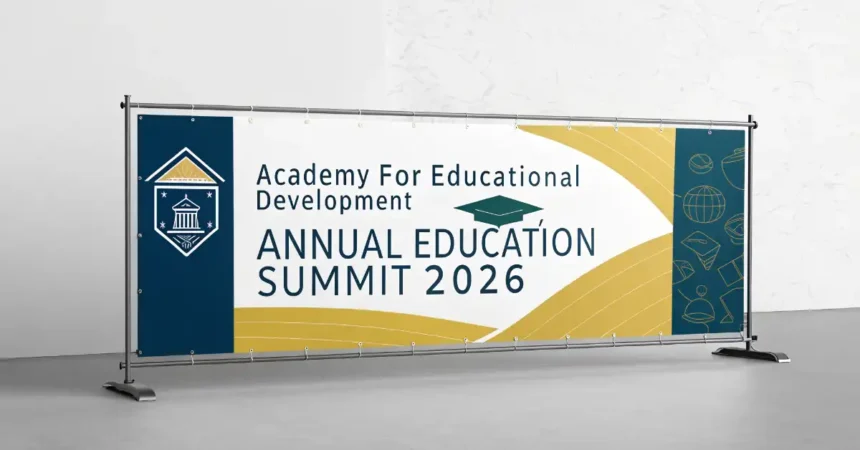
In 2026, the global education community came together for one of the most forward-looking and impactful events of the year — the Annual Education Summit 2026. This summit was hosted by the Academy for Educational Development, a name recognized worldwide for its long history of improving education systems, promoting equity, and connecting educators, policymakers, researchers, and innovators to work toward a shared vision of better learning for all.
Though the original Academy for Educational Development (AED) formally merged into a successor organization in the early 2010s, its legacy lives on through global development work, research collaborations, and events that celebrate its mission and values. In 2026, educators and thought leaders revived that spirit by convening at a summit that explored the future of education — from classroom technology to policy reform and ethical leadership.
This article covers the main themes, sessions, outcomes, and impact of the Annual Education Summit 2026, highlighting how the summit shaped conversations and actions for the future of education.
What Is the Academy for Educational Development?
The Academy for Educational Development has been one of the most influential names in education and global development since its founding in 1961 by Sidney Tickton and Alvin Eurich. Originally focused on helping higher education institutions improve their management and academic systems, AED expanded to address critical global challenges — including education reform, girls’ education, workforce development, health education, and institutional capacity building.
Over more than five decades, the Academy’s work spanned more than 150 countries, offering technical assistance, research, policy advice, and innovative models of learning and community engagement. Though the independent nonprofit formally transitioned its programs to another global development organization in 2011, the principles and approaches pioneered by AED continue to influence education practices, policies, and partnerships today. Atholton News
In 2026, the spirit of AED’s mission was honored through the Annual Education Summit — an inclusive event designed to inspire, inform, and connect leaders focused on the future of learning.
Why the Annual Education Summit 2026 Mattered
The Annual Education Summit 2026 was not just another conference. It stood out for several important reasons:
- Cross-sector participation: Leaders from schools, universities, government agencies, private industry, and civil society attended.
- Focus on real-world impact: Sessions were centered around actionable insights, not just theoretical ideas.
- Technology and human priorities: The summit explored how tools like artificial intelligence (AI), digital learning platforms, and hybrid learning models can improve education while protecting human values.
- Global collaboration: Institutions from many countries used the summit to build partnerships that extend well beyond the event’s walls.
In short, the summit was a platform where strategy met practice — where leaders could learn from each other, form new coalitions, and plan for long-term improvements in teaching and learning.
Key Themes of the Summit
The Annual Education Summit 2026 was organized around several core themes that reflect the biggest conversations in education today. These included:
1. AI in Teaching and Learning
Artificial intelligence has rapidly transformed many sectors, and education is no exception. Summit sessions on AI explored how smart technologies can support teachers with lesson planning, automate administrative tasks, personalize learning pathways for each student, and even offer real-time feedback for learners.
Speakers emphasized that while AI can boost efficiency, ethical use and human oversight remain essential. Tools must be designed to support, not replace, human educators — a message that echoed throughout the discussions.
2. Digital Learning and Hybrid Models
Digital education, already expanding in recent years, took center stage. Panels highlighted how hybrid classrooms — combining online and in-person learning — can widen access and offer flexible pathways for students of all ages.
Participants discussed strategies for training teachers, upgrading infrastructure, and ensuring that digital platforms are accessible in underserved regions and communities.
3. Skills-Based Education and Workforce Integration
The summit also addressed the growing importance of linking education with employment outcomes. Employers, educators, and policymakers shared ideas on how curricula can better prepare students with the skills needed for today’s and tomorrow’s workforce — from critical thinking and creativity to data literacy and career readiness.
This theme is particularly relevant as economies around the world adapt to new kinds of jobs created by digital transformation.
4. Policy Leadership and International Cooperation
Government leaders and regulators presented policy frameworks designed to strengthen educational systems at national and international levels. Discussions included funding models, accountability mechanisms, teacher training policies, and frameworks for ethical technology use.
International cooperation emerged as a key priority, with many countries exploring collaborative investments, research partnerships, and mutual exchange programs.
The Summit Schedule and Sessions
The Annual Education Summit 2026 brought together more than 100 speakers, experts, and panelists across its two-day program. The event featured keynote speeches, interactive workshops, case studies, roundtables, and exhibitions demonstrating next-generation tools.
Below is a snapshot table summarizing the summit’s key components:
| Session Type | Focus Areas | Participants |
| Keynote Speeches | Vision for future learning, policy leadership | Government officials, global educators |
| Expert Panels | AI, digital learning, equity, hybrid education | Researchers, tech leaders, institutional leaders |
| Workshops | Practical tools for teachers, EdTech integration | Teachers, trainers, EdTech developers |
| Networking Roundtables | Partnerships, funding, cross-sector collaboration | Policymakers, NGOs, education leaders |
| Case Study Presentations | Best practices in education innovation | School and university representatives |
| Innovation Exhibits | Demonstrations of tech tools, digital curriculum models | EdTech companies, start-ups, solution providers |
Each session was designed to promote dialogue, share evidence-based strategies, and inspire real change in educational settings.
Major Highlights and Takeaways
Participants walked away from the summit with new connections, fresh insights, and actionable plans. Some of the most discussed takeaways included:
Technology for Good — Ethics First
While AI and digital technologies can expand access to education, ethical considerations such as data privacy, equity, and teacher autonomy must remain at the forefront of implementation strategies.
Lifelong Learning is Key
Education systems should support learning at all stages of life — from early childhood through adult and continuing education — to help individuals adapt to changing career and societal needs.
Policies Need Flexibility
Policies and standards must be flexible enough to accommodate innovation while protecting equitable access to quality education.
Collaboration Drives Impact
No single institution or country can solve education challenges alone. Collaborative frameworks involving public, private, and nonprofit sectors lead to more sustainable and large-scale impact.
Voices from the Summit
Here are some of the ideas shared by participants and leaders during the event:
- Educator Insight: “Technology should extend human capacity in the classroom, not diminish the role of the teacher.”
- Policy Leader: “When education leaders work together across borders, we create stronger systems that benefit every learner.”
- Student Advocate: “Student voices are essential in shaping policies that affect how they learn and pursue future careers.”
These reflections underscore a shared belief in education as a human-centered enterprise supported by innovation.
Beyond the Summit — What Comes Next?
The Annual Education Summit 2026 was a moment of learning and sharing. But its impact will be measured by what happens afterward. Summit organizers and partners outlined several next steps:
— Collaborative Projects
Many participants committed to joint initiatives, from cross-institution research studies to pilot programs integrating new technologies in classrooms.
— Ongoing Learning Networks
A community of practice emerged from the summit, allowing educators and leaders to stay connected, exchange resources, and support one another in implementing innovations.
— Policy Dialogues
Government bodies agreed to continue policy dialogues started at the summit, working toward regulatory frameworks that support inclusive, sustainable education.
Such long-term collaborations show that the summit’s value is not limited to its two-day program but extends as a catalyst for systemic change.
Conclusion
The Annual Education Summit 2026, inspired by the legacy of the Academy for Educational Development, proved to be a powerful gathering for shaping the future of education. Educators, policymakers, innovators, and learners shared ideas that reflect a collective commitment to equity, innovation, and shared progress.
As education systems around the world face rapid change — driven by technology, demographic shifts, and changing workforce needs — events like this summit help guide leaders toward thoughtful, inclusive, and forward-looking solutions. In the spirit of collaboration and human-focused innovation, the academy continues to influence how we learn, teach, and lead.
Students can check out the latest Updates Atholton News