

Introduction
Amateur Swimming Club initiatives are transforming the future of youth aquatic sports in 2026. Swimming is more than just a sport — it’s an essential life skill, a source of confidence, and a foundation for athletic growth. In 2026, the world of grassroots aquatic sport continues to expand, with clubs and organizations prioritizing youth development and structured training pathways that nurture young talent.
One such initiative making waves is the Amateur Swimming Club launching a new training program for young athletes. This program combines proven training techniques, expert coaching, and a community-centered philosophy that aims to develop not only better swimmers, but well-rounded young individuals.
Why Youth Training Programs in Swimming Matter
Amateur Swimming Club offers many benefits for young athletes beyond competition. It builds strength, improves cardiovascular fitness, enhances coordination, and fosters discipline. Programs designed for youth help children develop technique early, prevent injuries, and maintain enthusiasm for the sport.
Developing Key Athletic Skills
Swimming demands technical precision. Training at a young age helps athletes master fundamentals such as:
- Proper freestyle, backstroke, breaststroke, and butterfly techniques
- Efficient breathing patterns and water safety
- Turns, starts, and pacing for competition
- Strength, flexibility, and endurance
Young athletes who begin structured training are more likely to succeed as they advance in the sport — whether toward competitive swimming or general fitness.
Supporting Physical and Mental Growth
Beyond physical skill, swimming supports emotional and cognitive growth. Youth programs help young swimmers learn:
- Goal setting and focus
- Teamwork and cooperation
- Resilience and perseverance
- Confidence in their abilities
This holistic approach makes participation in an Amateur Swimming Club training program beneficial both in the pool and in life.
What’s New in 2026 – The Amateur Swimming Club’s Training Program
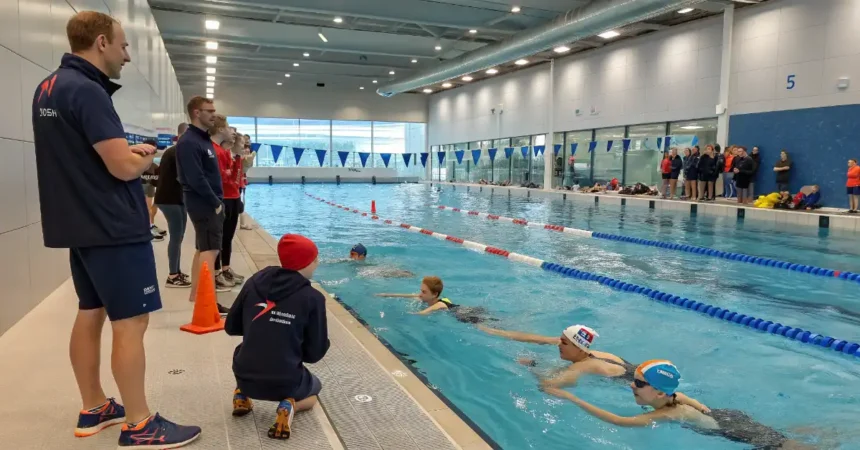
The latest initiative from the Amateur Swimming Club focuses on launching a comprehensive training program for young athletes that blends modern training science with community values.
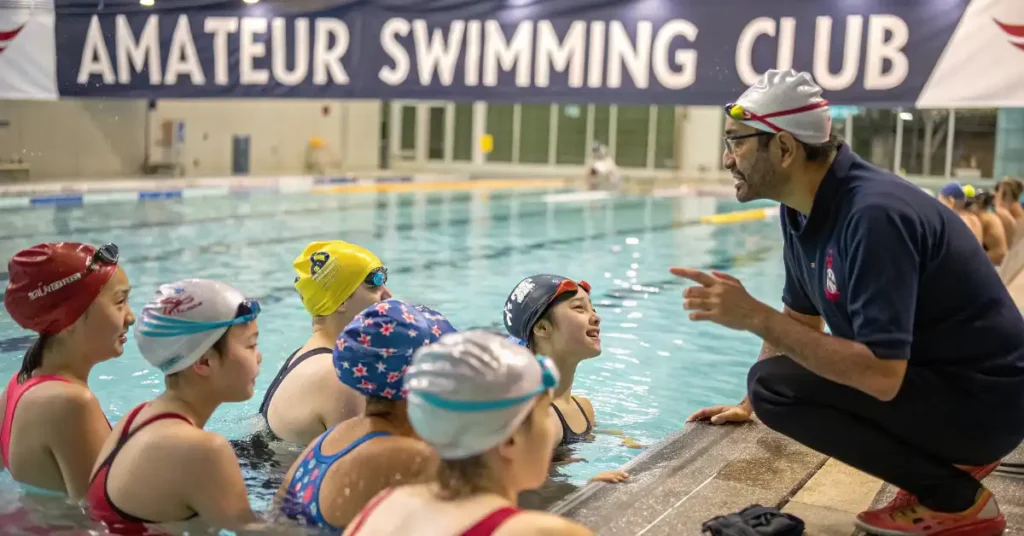
This program includes:
1. Structured Skill Development
The club has introduced a tiered training system where athletes are grouped by age and ability. Each level targets the skills appropriate for that stage of development, from beginner fundamentals to more advanced performance training.
2. Certified and Dedicated Coaches
Expert coaches with credentials in swimming instruction and youth sports training will lead sessions. This ensures that athletes receive professional guidance and individualized feedback — something that is crucial for young, developing swimmers.
3. Supportive and Inclusive Environment
The Amateur Swimming Club emphasizes an inclusive culture where every young swimmer feels valued. Whether a child is new to swimming or aiming to compete at higher levels, the environment encourages growth, discipline, and enjoyment.
4. Safety and Lifelong Skills
Safety remains a priority. Apart from competitive training, the program also teaches water safety, survival techniques, and confidence in various aquatic environments.
5. Competitive and Non-Competitive Options
Parents and guardians can choose the level of competitive involvement they want for their children. The program includes pathways for those who seek competition and for those who simply want to stay active and engaged.
Fish Out of Water: Dancing in the Water
Core Components of the Training Program
To help you visualize the structure of this exciting initiative, here’s a clear breakdown of key components:
Table: Training Program Overview
| Component | Focus | Age Group | Benefit |
| Foundational Skills | Water confidence, basic strokes | 6–9 years | Builds comfort and core skills |
| Technical Development | Stroke refinement, breathing, kicking drills | 10–12 years | Improves efficiency and form |
| Endurance & Fitness | Aerobic training, flexibility | 13–15 years | Prepares for competitive meets |
| Advanced Performance | Starts, turns, race strategies | 16–18 years | Focuses on competitive readiness |
| Water Safety & Lifesaving | Survival techniques | All ages | Essential safety and confidence |
This table shows how the program is structured to meet young athletes at their level and help them grow gradually and consistently. By investing in foundational skills first, the club ensures that young swimmers build confidence before tackling more complex competitive elements.
Training Beyond Technique – Building Champions of Tomorrow
The Amateur Swimming Club program goes beyond just physical training. It includes areas that are crucial for athlete success but often overlooked.
Mental Preparation and Confidence Building
Young athletes are guided in techniques to handle competition pressure, goal setting, and visualization skills. This kind of support helps them manage stress and remain focused in and out of the pool.
Nutrition and Recovery Education
Training is supported with education about proper nutrition and recovery practices that help young swimmers stay healthy and energized throughout the season.
These modern additions reflect the latest developments in youth sports training, where mental wellbeing and recovery are recognized as vital parts of an athlete’s journey.
How the Amateur Swimming Club Program Aligns with 2026 Trends
In 2026, youth development programs in sports continue to evolve. Organizations around the world are focusing more on holistic development rather than just competition. For example:
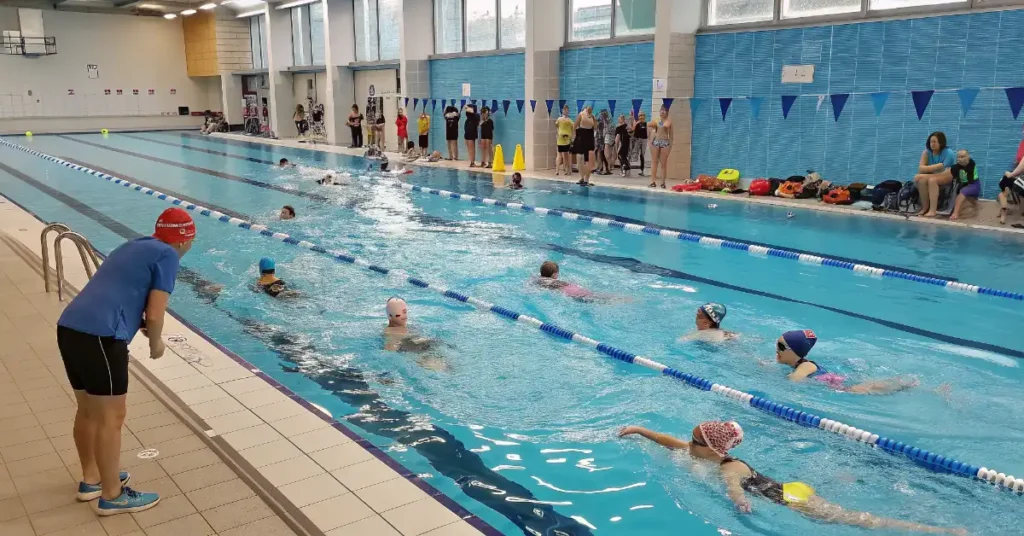
- Many swim clubs encourage structured youth development that blends technique with fun and community, similar to programs seen in clubs globally.
- National and regional initiatives emphasize clinics and coaching education to support grassroots growth.
- Swim training camps and competitive pathways such as those offered internationally are helping young athletes reach higher levels of performance while learning life skills.
The Amateur Swimming Club’s program is clearly aligned with these trends — offering a well-rounded, modern approach to youth swimming.
Real Stories – Why Youth Programs Make a Difference
Though this particular training program is newly launched in 2026, similar efforts in other regions have already shown impact:
- Youth clinics delivered by local swimming associations have helped clubs support community talents.
- Programs that ease the transition from swimming lessons to performance squads have led to higher participation and better competitive outcomes.
These real-world examples reinforce the value of investing in well-designed youth training for swimming clubs of all sizes.
How to Get Involved
1. Registration and Tryouts
The Amateur Swimming Club usually hosts an open registration period for young athletes interested in joining the training program. Families are encouraged to sign up early due to limited spots in certain age groups.
2. Parent & Athlete Orientation
Before the season starts, the club holds orientation sessions for new and returning members. These help parents understand expectations, training schedules, and ways to support their young swimmers.
3. Equipment and Participation
Participants are typically provided with guidance on swim gear and what to bring for training sessions. This ensures safety and comfort during workouts.
Conclusion
The launch of the Amateur Swimming Club’s new youth training program marks an exciting moment for young athletes in 2026. By combining expert coaching, structured progression, and a supportive community, the club aims to cultivate not only strong swimmers, but confident young individuals with a lifelong love for aquatic sport.
Today’s youth programs are not just about building athletes; they’re about creating environments where children develop physically, mentally, and socially. As more clubs adopt modern training philosophies — including technique mastery, mental preparation, and safety education — the future of swimming looks brighter than ever.
Students can check out the latest Updates Atholton News