


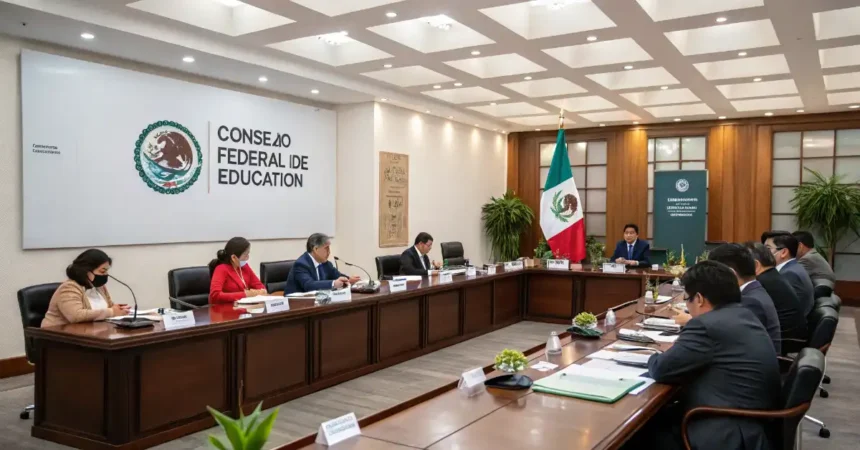
Consejo Federal de Educacion is one of the most important educational authorities in Argentina, playing a key role in shaping the country’s academic future. Education is one of the most powerful tools a society can use to shape its future. In Argentina, the Consejo Federal de Educacion (CFE) guides national education policy and ensures that learning evolves with the needs of students and society.
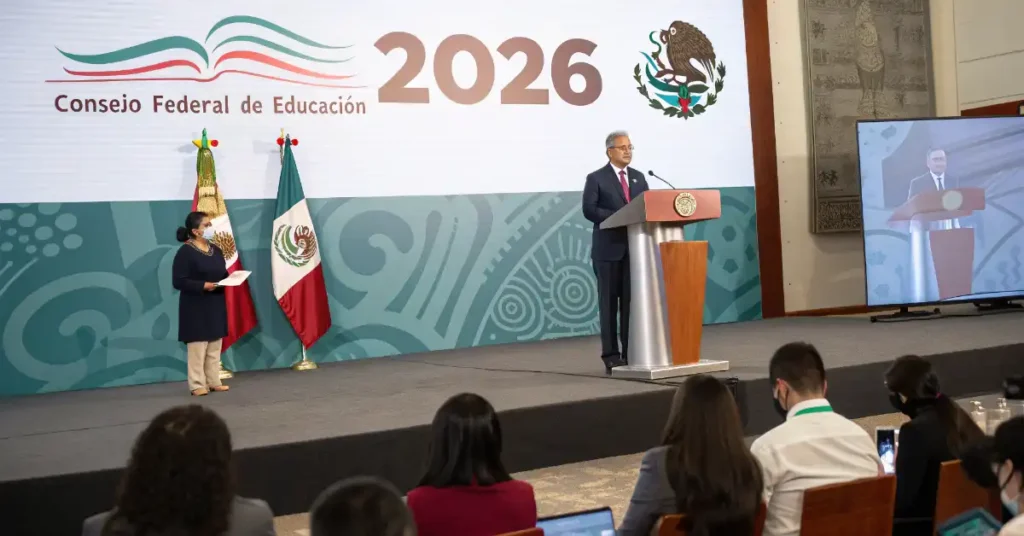
As we move into 2026, the CFE has announced a suite of major curriculum reforms aimed at transforming how teaching and learning happen across the country. These reforms are designed to strengthen foundational skills, modernize curricula, and promote a more equitable and effective education system for all students.
Understanding the Role of the Consejo Federal de Educación
The Consejo Federal de Educacion is the intergovernmental body responsible for coordinating education policy across Argentina’s provinces and the national government. It brings together provincial ministers of education, national education authorities, and other stakeholders to set shared priorities and standards.
Traditionally, the CFE works to:
- Define national education objectives.
- Support provinces in curriculum planning.
- Set federal guidelines for teaching practices.
- Approve national educational strategies and frameworks.
This coordination ensures that students in all parts of Argentina can benefit from high-quality education regardless of where they live, while still respecting regional needs and autonomy.
What’s New in 2026: Major Educational Reforms
The year 2026 marks a significant shift in Argentina’s educational agenda. Following discussions and approvals in the CFE’s 148th assembly in December 2025, a comprehensive plan of curriculum reforms has been outlined. These reforms are targeted at improving key subject areas, strengthening teacher development, and adapting teaching methods to contemporary needs.
Below, we have organized the core reforms into major themes.
Key Areas of the 2026 Curriculum Reforms
1. Prioritizing Mathematics Education
One of the central innovations for 2026 is the Compromise Federal pore la Mathematica (Federal Commitment to Mathematics). The Consejo Federal de Educacion approved the framework for this initiative through Resolution CFE 510/25. It establishes federal and provincial commitment to improving mathematics teaching and learning across primary and secondary levels.
The key objectives include:
- Strengthening basic mathematical skills early in primary school.
- Targeting the second cycle of primary and the basic cycle of secondary education.
- Providing additional instructional time, materials, and training for teachers.
- Creating a federal repository of math learning resources.
This reform responds to long-standing challenges in mathematics learning outcomes, as many students consistently fall below expected proficiency levels in national and international assessments.
2. Expanding Foundational Literacy and Early Learning
Building on previous work in reading and writing skills, the CFE continues to reinforce foundational literacy throughout the early years of schooling. The integration of literacy and mathematics priorities reflects a holistic approach to strengthening core academic competencies.
These efforts include:
- Extending classroom hours with focused instructional blocks.
- Coordinating federal and provincial support for student progression.
- Offering professional development specifically designed for early literacy and numeracy.
Together, these measures aim to provide all students with stronger foundational skills that support success in higher levels of education.
3. Strengthening Teacher Formation and Professional Growth
Curriculum reforms in 2026 go hand in hand with support for educators. Training and development are central to ensuring that teachers can effectively implement the new curriculum frameworks.
As part of this effort:
- New trajectories and pathways for teacher professional development are being designed.
- Programs will focus on use of instructional materials, assessment practices, and subject-specific pedagogy.
- Teacher training will include continuous learning opportunities tied to curriculum changes.
Teacher development strengthens classroom practice, increases teacher confidence, and supports student learning outcomes.
4. Promoting Curriculum Flexibility
One of the broader shifts in the 2026 reforms is a move toward more flexibility in how curricula are delivered. While maintaining federal guidelines, schools are encouraged to adapt their teaching strategies to local needs and student interests.
Key elements include:
- Autonomy for schools to choose teaching methods that best support learning.
- Opportunities for blended and flexible learning models.
- Encouraging innovation in teaching practices that align with updated curricular goals.
This balance between national standards and local autonomy is designed to ensure consistent learning objectives while making room for contextual adaptation.
Rutgers University Acceptance Rate 2026: Latest Admission Statistics & Trends
What This Means for Schools and Students
To help visualize the expected changes, here is a simplified table summarizing the major reforms and how they will influence teaching and learning.
| Area of Reform | Main Action | Impact on Schools & Students |
| Mathematics Strengthening | Federal commitment plans, resource materials, teacher training | Improved math skills and problem solving |
| Literacy and Early Learning | Continued focus on reading and foundational skills | Stronger early literacy outcomes |
| Teacher Development | Professional growth pathways and continuous training | Better equipped teachers |
| Curriculum Flexibility | School autonomy in teaching methods | Tailored learning to student needs |
| Resource Sharing | Creation of federal learning resource repositories | Broader access to quality materials |
Why These Reforms Matter
The reforms announced for 2026 are not just administrative changes — they represent a broad commitment to enhancing the quality and equity of education in Argentina.
Here’s why these reforms are significant:
Improving Learning Outcomes
By prioritizing foundational areas like mathematics and literacy, the educational system aims to equip students with essential skills that support academic success and lifelong learning.
Supporting Teachers
Professional development and better resources give teachers the tools they need to succeed in today’s classrooms. When teachers are supported, student learning improves.
Balancing National Standards With Local Needs
While federal guidelines help maintain consistent educational expectations, giving schools flexibility allows them to tailor learning to their communities.
Strengthening Federal Cooperation
The Consejo Federal de Educacion remains a vital forum for collaboration between the national government and provincial education authorities, ensuring shared goals and joint accountability.
Conclusion
The 2026 curriculum reforms confirmed by the Consejo Federal de Educacion mark a pivotal moment for Argentina’s education system. With a renewed focus on mathematics excellence, foundational literacy, teacher development, and flexible curriculum delivery, these changes have the potential to shape a generation of learners ready for the future.
Students can check out the latest Updates Atholton News