


Introduction
Rutgers University Acceptance Rate is one of the most searched admission-related topics among students planning to study in the United States. Every year, thousands of students around the world dream of gaining admission to Rutgers University, one of the most respected public research universities in the United States. As competition among applicants increases, so does curiosity about how difficult it is to earn a seat at Rutgers — especially in key admissions cycles like 2026.
What Is the Rutgers University Acceptance Rate?
The Rutgers University Acceptance Rate reflects the percentage of applicants who are offered admission by the university. A lower percentage generally means the institution is more selective, and a higher rate means it admits more of the students who apply.
For the most recent data available:
- The Rutgers University–New Brunswick campus — the largest and most commonly referenced campus — had an acceptance rate of approximately 58.15% in the 2024-25 cycle.
- This suggests that of all applicants in 2024-25, about 58 out of every 100 were admitted.
As Rutgers continues to receive a rising volume of applications, the Rutgers University Acceptance Rate has hovered in the mid 50s — showing a moderate selectivity level compared to many U.S. public universities.
Note: Specific official 2026 acceptance rate release figures are still limited at the time of writing, but based on trends and application growth, projections can be made later in this article.
Why Admissions Trends Matter — Beyond Just Percentages
Understanding the Rutgers University Acceptance Rate is about more than a single number — it’s about how this number changes over time, and what those changes mean for different types of applicants.
1. Competition & Applicant Pool Size
Rutgers has seen sharp increases in total applications over recent cycles. For example, one report showed a 58% increase in applications compared to the previous year.
When more students apply, even if the university admits the same number of students, the acceptance rate declines automatically — because the denominator (total applicants) increases. That pattern is why Rutgers’ rate has trended downward over several years.
2. Yield Rate vs Acceptance Rate
Yield rate — the percentage of admitted students who actually enroll — is another key part of the admissions landscape. Rutgers’ yield rate for 2024-25 was around 20.53%, meaning only about a fifth of admitted students chose to enroll.
This gap between acceptance and yield affects planning: a lower yield can lead to more offers extended to secure the size of the incoming class.
Historical Rutgers University Acceptance Rate Trends
Looking at recent years gives context to the most current cycles. The table below summarizes Rutgers University Acceptance Rate data (especially from the New Brunswick campus where most applicants apply):
Rutgers University Acceptance Rate: 2015–2025
| Academic Year | Acceptance Rate | Trend Insight |
| 2015-16 | 58.45% | Historically around mid-50s early on. |
| 2016-17 | 56.94% | Slight decrease from prior year. |
| 2017-18 | 57.80% | Rate edged up slightly. |
| 2018-19 | 60.11% | Small rise. |
| 2019-20 | 61.22% | Increasing application volume begins influencing upward trend. |
| 2020-21 | 66.93% | One of the highest in recent history. |
| 2021-22 | 68.00% | COVID-era effects with flexible admissions? |
| 2022-23 | 66.29% | Slight downward shift. |
| 2023-24 | 65.35% | Continued small decreases. |
| 2024-25 | 58.15% | Strong drop from past cycles. |
Table Note: These data reflect trends reported for Rutgers University–New Brunswick and may vary slightly from other Rutgers campuses.
What the Rutgers Acceptance Data Means for 2026
Official 2026 Rutgers University Acceptance Rate data is not yet released in full publicly. However, based on trends from the 2024-25 cycle and sources tracking applications and yield behavior:
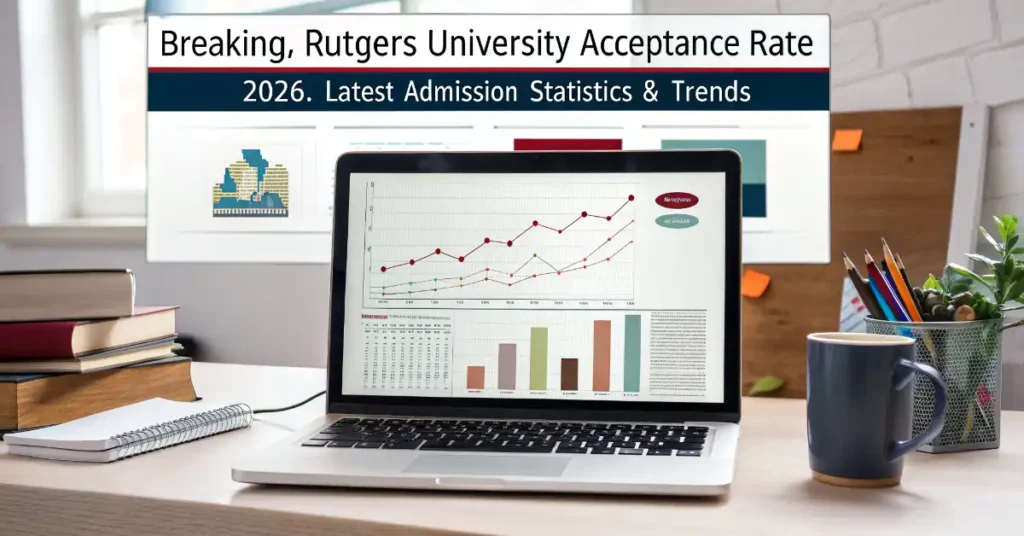
- The acceptance rate is likely to hover around or slightly below 58%.
Many analysts see a pattern of decreasing selective rates at Rutgers as applications rise faster than the number of admitted students. - Some unofficial estimates discussed online suggest higher competitiveness.
Discussions within student communities suggest the rate may effectively sound closer to 50% or lower for the New Brunswick campus by 2026 — especially when considering total applicants and limited seats. - Different schools within Rutgers vary in selectivity.
Some majors (like engineering or business) often have lower acceptance rates than the general university rate, making overall statistics less predictive for those programs.
So while precise Rutgers University Acceptance Rate figures for 2026 are not yet fully published, trends strongly hint that Rutgers remains moderately selective and increasingly competitive compared to older cycles.
Maryland Elementary School Implements New Education Policy This Year
Who Gets In? What the Stats Reveal About Admitted Students
The Rutgers University Acceptance Rate doesn’t tell the whole story on who gets accepted. Admissions offices consider a holistic array of factors, including:
- GPA and coursework strength
Most successful applicants have strong academic performance in high school. Official data from admissions brochures show GPA trends skew toward the upper end of high school performance scales. - Standardized test scores (SAT/ACT)
While test scores are optional at many campuses, students who submit competitive scores tend to be in the middle 50% of score submission ranges — for example, ~1410 SAT or 31 ACT for New Brunswick. - Holistic review elements
Rutgers considers essays, recommendation letters, extracurricular leadership, community engagement, and special talents beyond numerical scores.
Many college counseling experts emphasize that Rutgers’ review process looks at the “whole candidate,” not just a single metric. This approach means strong essays, meaningful extracurriculars, and context-aware academic performance matter greatly.
Comparing Rutgers to Peer Public Universities
Understanding Rutgers’ selectivity also benefits from comparison to other large public research universities. While Rutgers remains moderately selective, some peers have higher or lower rates.
| University | Recent Acceptance Rate |
| Rutgers University – New Brunswick | ~58.15% (2025) |
| University of Nebraska–Lincoln | ~77.07% |
| Indiana University–Bloomington | ~80.37% |
| Ohio State University | ~50.82% |
| Southern Methodist University | ~61.22% |
This table puts Rutgers’ position into context: more selective than some large state universities, but not as exclusive as flagship universities with admission rates below 40%.
Important Notes for Applicants
If you’re targeting Rutgers in 2026, here are some key takeaways:
1. Apply Early & Strategically
Though Rutgers has no binding early decision, submitting strong applications early can help manage visibility in holistic review cycles.
2. Showcase Strength Beyond Scores
Rutgers values leadership, service, creativity, and special projects. Applications that present a strong narrative often stand out.
3. Major Choice Influences Selectivity
Engineering, business, and honors programs are often more competitive than general admissions — meaning acceptance rates within those programs may be lower than the overall Rutgers University Acceptance Rate.
4. Be Ready for Changing Trends
As Rutgers grows its applicant pool globally, competition is expected to stay strong or tighten further toward 2026 — especially as the university expands research programs and international enrollment opportunities.
Conclusion
The Rutgers University Acceptance Rate has steadily become more competitive over the past decade, driven by growing application volumes, demographic shifts, and enhanced global visibility. While specific official 2026 admission percentages are still being finalized and released, the latest estimates — supported by the 2024-25 cycle data — place Rutgers in a moderately selective category with acceptance rates likely in the mid-50s or lower.
For students planning applications, this means thoughtful preparation, strategic planning, and strong academic and extracurricular profiles remain the most effective ways to increase the likelihood of admission. Whether your next step is essays, recommendations, or targeted GPA boosts — understanding acceptance trends empowers better decisions.
Students can check out the latest Updates Atholton News