
The landscape for federal student loan borrowers is undergoing a seismic shift. A court ruling has officially terminated the Saving on a Valuable Education (SAVE) plan, a cornerstone of biden’s student loan repayment plan, forcing millions to navigate a new and uncertain repayment reality under the Trump administration. Our analysis shows this development directly impacts 7.5 million Americans who must now take swift action.
→ Purdue Survives Thriller to Punch Elite Eight Ticket
- SAVE Plan Terminated: A federal court has officially ended the SAVE repayment plan following a settlement between the Department of Education and the state of Missouri.
- Action Required for 7.5 Million Borrowers: Borrowers currently enrolled in SAVE will have a 90-day window after receiving notice from their loan servicer to choose a new plan or be automatically placed in the more expensive 10-year Standard Repayment Plan.
- New Repayment Option Coming: A new income-driven plan, the Repayment Assistance Plan (RAP), is scheduled to launch on July 1, 2026, as an alternative for borrowers.
Why Is the SAVE Plan Ending?
The popular SAVE plan, which offered lower monthly payments and a faster path to forgiveness for many, has been a target of legal challenges since its inception. Republican attorneys general argued that the Biden administration overstepped its authority in creating the program. These legal battles culminated in a court-approved settlement that officially vacated the rule behind the SAVE plan, effectively killing the program.
The Trump administration has been direct about its policy. In a statement released by the Department of Education, Under Secretary Nicholas Kent stated, “For years, borrowers have been caught in a confusing cycle of uncertainty, but the Trump Administration’s policy is simple: if you take out a loan, you must pay it back.” This marks a definitive end to what the administration has called an “illegal student loan bailout agenda.” This shift concludes a significant chapter of biden’s student loan repayment plan.
Our team observed that while the plan was in legal limbo, enrolled borrowers were placed in forbearance, pausing their payments but allowing interest to accrue. Now, with the plan officially defunct, those payments are coming due, and borrowers are on the clock.
What Does This Mean for 7.5 Million Borrowers?
The immediate consequence for the 7.5 million borrowers on the SAVE plan is the need to make a critical decision. Starting July 1, loan servicers will begin sending out notices, triggering a 90-day deadline for each borrower to select a new, legal repayment plan.
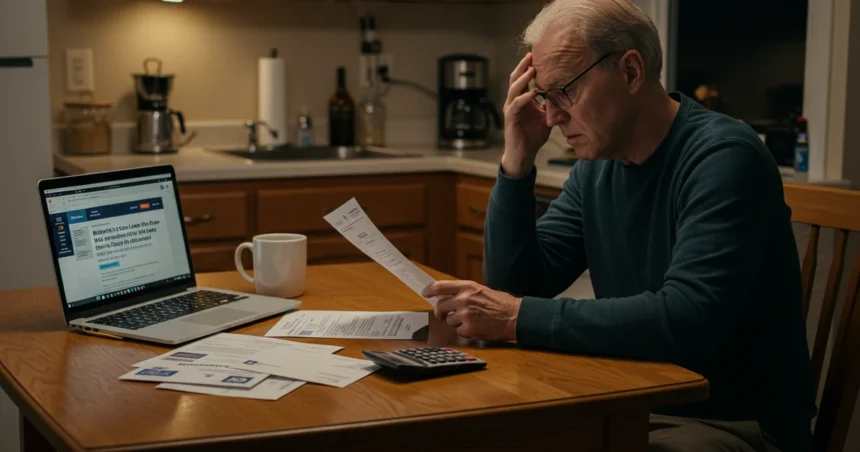
Failing to act will result in being automatically enrolled in the Standard Repayment Plan. For many, especially the nearly half of SAVE participants who had $0 monthly payments, this could mean a sudden and dramatic increase in their monthly bills. This forced transition away from a key component of biden’s student loan repayment plan puts the onus squarely on borrowers to navigate a complex system.
Industry insiders are noting the potential for widespread confusion. Student advocacy groups have voiced concerns, highlighting the burden placed on borrowers to quickly understand their options. As Mike Pierce, executive director of the Student Borrower Protection Center, mentioned to The Associated Press, “these same borrowers are being told it’s time to pay and you have no good options.” This sentiment is echoed in online communities, with borrowers on Reddit threads like r/StudentLoans actively discussing their next steps and anxieties about the transition.
What Are the Repayment Options Now?
With the end of the SAVE plan, borrowers must choose from the remaining federal options. The Trump administration has highlighted the upcoming Repayment Assistance Plan (RAP), set to be available on July 1, 2026.
Our analysis suggests that while the RAP will be an income-driven option, it will likely result in higher monthly payments for most former SAVE enrollees. Below is a comparison of the available plans for those currently on SAVE, based on information from the Department of Education and news outlets like The Washington Post.
| Repayment Plan | How It Works | Key Feature |
|---|---|---|
| Standard Plan | Fixed monthly payments over 10 years. | Default option if no other plan is chosen. Often the highest monthly payment. |
| Income-Based Repayment (IBR) | Payments are 10% or 15% of your discretionary income. Forgiveness after 20-25 years. | An existing income-driven option, but with different terms than SAVE. |
| Pay As You Earn (PAYE) | Payments are 10% of discretionary income. Forgiveness after 20 years. | Available to certain borrowers, but being phased out after July 1, 2028. |
| Repayment Assistance Plan (RAP) | (Launches July 1, 2026) Payments based on income and family size. | The new flagship income-driven plan. Prevents interest from growing if full payments are made. |
This transition requires a careful evaluation of personal finances, as the end of this specific biden’s student loan repayment plan introduces new variables for millions.
What Should Borrowers Do Right Now?
The message from the U.S. Department of Education is clear: prepare to act. Borrowers should not wait for the official notice from their servicer to begin exploring their options. Proactive steps can prevent a stressful scramble or a costly default placement.
Here are the essential steps our team recommends:
* Update Your Information: Log in to your accounts on StudentAid.gov and with your loan servicer. Ensure your contact information, especially your email address, is current so you receive all critical notifications.
* Use the Loan Simulator: The federal Loan Simulator tool on StudentAid.gov is an invaluable resource. It can help you compare monthly payments and total costs across the different available plans.
* Watch for Official Communication: Starting in July, be vigilant for emails and letters from your loan servicer and the Department of Education. These will contain your specific 90-day deadline.
* Choose a New Plan: Do not let the deadline pass. Actively select the plan that best fits your financial situation to avoid being automatically placed in the Standard Plan.
The termination of this far-reaching biden’s student loan repayment plan is a significant event.
How Does This Affect biden’s student loan repayment plan Legacy?
The end of SAVE marks a substantial rollback of one of the Biden administration’s signature initiatives. The original, broader loan forgiveness plan was struck down by the Supreme Court in 2023, as detailed by sources like CBS News. The SAVE plan was a subsequent effort, created under the Higher Education Act, to provide relief to borrowers.
While other targeted forgiveness programs for public service workers and victims of college fraud have proceeded, the SAVE plan was the most encompassing biden’s student loan repayment plan. Its dismantlement represents a major policy reversal. The ongoing discussion on social media, particularly on platforms like Reddit, shows a borrower base grappling with the whiplash of changing policies.
As the Trump administration implements its “you must pay it back” policy, the debate over the federal government’s role in addressing the $1.7 trillion student debt crisis is sure to intensify. The end of this biden’s student loan repayment plan is not just a procedural change; it’s a fundamental shift in federal student loan policy that will have financial repercussions for years to come.
Relevant posts
- Why Maryland Lacrosse vs Michigan Preview Matters in 2026
- Bayern Munich vs Sporting CP Lineups: Full Squad, Injuries & Starting XI Updates
- Why College of Southern Maryland Defines Workforce Success
Visit atholtonnews.com for more stories.