



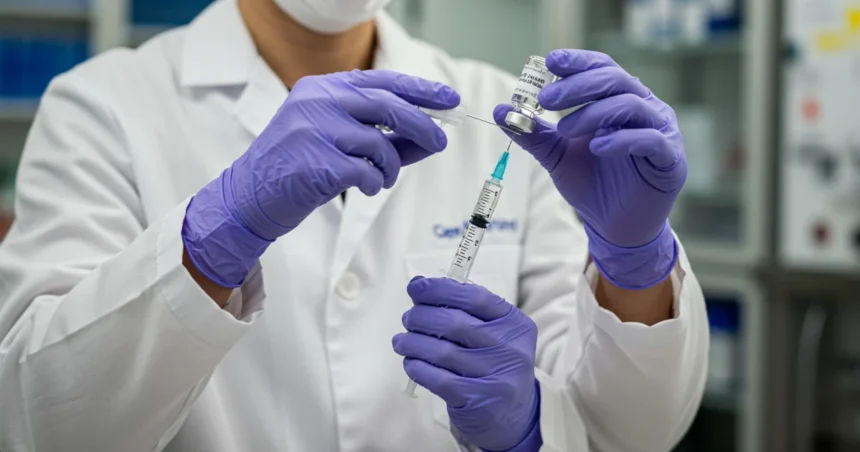
Our team has been tracking a major development that explains why the yellow fever vaccine is a top trending topic today. A groundbreaking phase II trial, published in the New England Journal of Medicine, has shown an investigational vaccine to be safe and effective, potentially solving years of crippling global supply shortages.
→ Why Delroy Lindo Commands Our Full Attention Now
This news could not come at a more critical time. The world has repeatedly faced a depleted global emergency stockpile of the vaccine, a situation exacerbated by recent outbreaks and the slow, 80-year-old method of producing the current shot in eggs. These shortages create significant challenges for travelers and populations in at-risk regions.
→ England Cricket Team vs India National Cricket Team Timeline
The new vaccine, called vYF, uses a modern, cell-based production method that is faster and more scalable. This innovation aims to create a reliable supply of the yellow fever vaccine, preventing the need for dose rationing during future outbreaks.
Expert Q&A: The Stakes of a Shortage
We looked at expert opinions to understand the urgency. Peter Hotez, MD, PhD, of Baylor College of Medicine, has been vocal about the risks.
Q: How serious is the threat of Yellow Fever spreading?
A: “Yellow fever is the disease that really worries me, and I’ve been sounding the alarm about it for a couple of years,” Hotez told MedPage Today. He notes its spread into more urban areas highlights the risk of it returning to places like the U.S., which could be “devastating.”
Q: Why is a new vaccine production method so important?
A: Severe outbreaks can quickly exhaust the global vaccine supply. According to Hotez, a more “scalable, reliable, and faster vaccine production process” is a critical advantage to prevent this. The U.S. currently has no national stockpile of the yellow fever vaccine.
Comparing the New and Old Yellow Fever Vaccine
The key differences between the existing vaccine (YF-VAX) and the investigational one (vYF) are significant. Our team has compiled the data to show what this change means for global health.
| Feature | YF-VAX (Current Vaccine) | vYF (Investigational Vaccine) |
|---|---|---|
| Production Method | Egg-based | Cell-based (Vero cells) |
| Production Speed | Slow, prone to disruption | Faster, more scalable |
| Immunogenicity | High (Established Standard) | Noninferior to YF-VAX |
| Supply Status | Subject to frequent shortages | Designed to ensure stable supply |
The scramble for a yellow fever vaccine is a real issue for people worldwide. We’ve seen discussions on social media platforms like Reddit where travelers in New York City express difficulty finding clinics that can administer the shot. This highlights the direct impact these supply issues have on individuals trying to protect themselves.
For most people, a single dose of the current yellow fever vaccine provides long-lasting, often lifelong, protection. The CDC recommends the vaccine for anyone 9 months or older traveling to or living in areas with a risk of yellow fever virus in Africa and South America.
However, the core issue has been availability, not efficacy. A more stable supply of a yellow fever vaccine is essential for global health security. This new cell-based manufacturing process represents a major step toward that goal. This is a crucial development for the global yellow fever vaccine supply chain.
Key Takeaways
- A new cell-based yellow fever vaccine (vYF) has proven effective in a phase II trial, offering a solution to global shortages.
- Current vaccine supplies are made using a slow, egg-based method, which has led to repeated depletions of the global stockpile.
- Experts warn that yellow fever’s spread is a major concern, and a reliable vaccine supply is critical to prevent devastating urban outbreaks.
Relevant posts
- Why San Antonio Spurs vs Lakers Match Player Stats Define the West in 2026
- Pittsburgh Steelers vs Bengals Match Player Stats Impact
- AFC Bournemouth vs Chelsea F.C. Lineups: Key Tactical Shifts
Visit atholtonnews.com for more stories.