



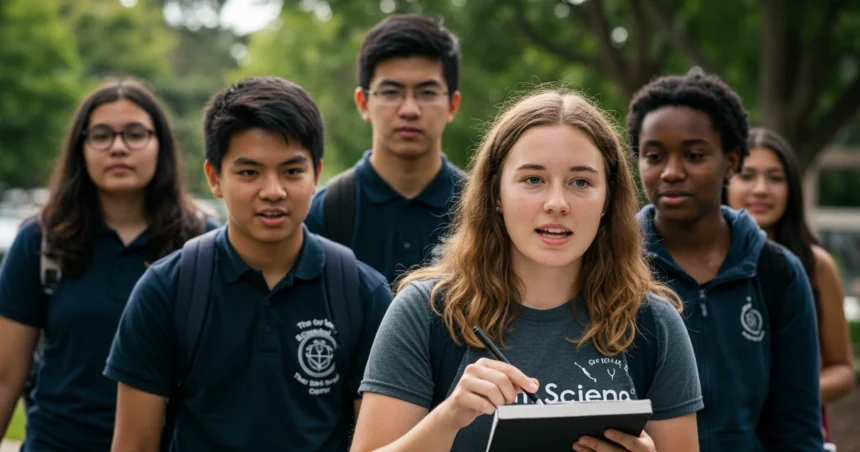
A groundbreaking shift in education is gaining momentum, fueled by a growing body of scientific evidence. The debate is no longer if, but when, schools will align with adolescent biology. The Science of School Start Times: Is a 10 a.m. Bell the Future of Education? This is the question our team investigated as states like California and Florida pass laws mandating later start times, and federal legislation to study the issue is reintroduced.
→ Ryan Seacrest High School Stadium: Hometown Hero’s Return
The core of the issue lies in the adolescent brain. During puberty, teenagers’ biological clocks, or circadian rhythms, shift, making it difficult for them to fall asleep before 11 p.m. and, consequently, wake up early. This biological reality clashes with traditional school schedules, where bells often ring before 8 a.m., leading to chronic sleep deprivation. Major health organizations, including the American Academy of Pediatrics, have long recommended that middle and high schools should start no earlier than 8:30 a.m. to combat this public health issue.
→ St Joseph Principal Erinn Dougherty: The Leaked Recording
Key Takeaways
- Biological Mismatch: Teenagers’ natural sleep cycles shift during puberty, making early school start times detrimental to their health and academic performance.
- Proven Benefits: Studies on later start times, particularly those moving to 10 a.m., show significant decreases in student illness and notable improvements in academic achievement.
- Logistical Hurdles: Despite the scientific consensus, districts face challenges with transportation, after-school activities, and parental work schedules, which complicate the transition.
The Mounting Evidence for a Later Start
Our investigation found that the push for later start times is not just a trend but a data-driven movement. A landmark four-year study on a 10 a.m. school start time for students aged 13-16 yielded stunning results. When the school shifted its start from 8:50 a.m. to 10:00 a.m., absences due to illness plummeted by over 50%. Even more compelling, academic performance saw a significant boost. This aligns with broader research indicating that well-rested teens achieve better grades, have higher attendance rates, and show a reduced risk of mental health issues like depression and anxiety.
The conversation has moved from local districts to state legislatures. California became the first state to mandate later start times in 2019, with the law taking full effect in 2022. It requires high schools to begin no earlier than 8:30 a.m. Florida followed with a similar bill, and several other states are considering the change. This legislative momentum reflects the growing consensus detailed in reports from outlets like Chalkbeat and the American Psychological Association.
The Science of School Start Times: Is a 10 a.m. Bell the Future of Education?
While an 8:30 a.m. start is a widely supported first step, some research suggests it may not go far enough. A 2017 study published on the National Center for Biotechnology Information’s website highlighted that a 10 a.m. start time could more effectively address the circadian rhythm delays in adolescents. This radical-sounding proposal, The Science of School Start Times: Is a 10 a.m. Bell the Future of Education?, is gaining traction as we uncover more about its potential. The study found these later starts led to a significant increase in students making good academic progress.
However, the path to a later bell is not without its obstacles. The Science of School Start Times: Is a 10 a.m. Bell the Future of Education? must contend with real-world logistics. Districts must juggle complex bus schedules, the impact on after-school sports and jobs, and childcare arrangements for younger siblings. These are the primary sources of resistance from some parents and administrators.
Myth vs. Fact
Fact: During puberty, adolescent circadian rhythms undergo a biological shift, making it genuinely difficult for them to fall asleep before 11 p.m. and wake up early. This is a matter of biology, not behavior.
Fact: While scheduling adjustments are necessary, many districts that have made the change have found creative solutions. The health and academic benefits are seen by proponents as outweighing the logistical challenges.
Fact: Decades of research, including a major University of Minnesota study, confirm that later start times lead to improved attendance, better grades, and reduced rates of tardiness and substance abuse.
The conversation about The Science of School Start Times: Is a 10 a.m. Bell the Future of Education? is a complex one, balancing clear scientific benefits against logistical hurdles.
As more data emerges from states like California, the long-term impacts will become clearer. For now, The Science of School Start Times: Is a 10 a.m. Bell the Future of Education? remains a pivotal question. The evidence strongly suggests that while a 10 a.m. start may seem ambitious, the principles behind it are sound.
The debate is active on social media, with many sharing personal experiences and opinions on platforms like X and Reddit. The consensus among medical professionals is clear: aligning school schedules with teen biology is a critical step for public health. As one expert from UPMC noted, it’s a “public health crisis of sleep insufficiency among adolescents.”
Ultimately, The Science of School Start Times: Is a 10 a.m. Bell the Future of Education? forces a re-evaluation of our educational structures. It challenges us to prioritize the health and well-being of students. While the logistical challenges are significant, the potential rewards—healthier, more engaged, and higher-achieving students—are compelling schools and lawmakers to consider that The Science of School Start Times: Is a 10 a.m. Bell the Future of Education? is not just a possibility, but a necessity. The final verdict may be that The Science of School Start Times: Is a 10 a.m. Bell the Future of Education? is indeed the direction we are heading.
Relevant posts
- Philly Schools Crisis: A System Under Fire
- Summer Break 2026: Your Official School Release Dates
- Bianca Andreescu’s Comeback: The Gauntlet at Roland-Garros
Visit atholtonnews.com for more stories.