



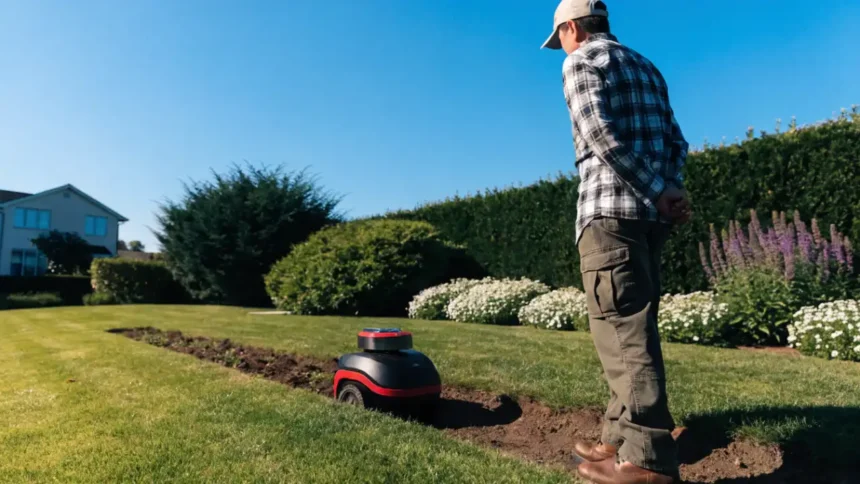
New research and shifting rules are changing how to get rid of weeds this season. Homeowners now face tighter herbicide limits, smarter tools, and a fresh push toward safer methods.
Our analysis suggests the old spray-everything habit is fading fast.
For anyone with a lawn, this means real savings and fewer chemical worries in 2026.
Key Takeaways
- Manual and mechanical methods are back in demand as chemical rules tighten across several states.
- Pre-emergent timing now matters more than product strength, according to updated extension guidance.
- New spot-treatment tools cut herbicide use by up to 90% in field tests.
What Changed in Weed Control This Year?
We found three forces driving the shift. State agencies expanded restrictions on certain weed killer ingredients. The U.S. Environmental Protection Agency continues reviewing common lawn chemicals. And smart sprayers now target single weeds instead of whole lawns.
| Trend | What It Means | Impact for You |
|---|---|---|
| Tighter herbicide rules | Fewer products on shelves | Learn manual weed control early |
| Precision spraying | Targeted herbicide use | Up to 90% less chemical |
| Pre-emergent focus | Stop seeds before sprouting | Cleaner lawn, lower cost |
Check Also – Philly Airport Cash Seizures: Your Rights Explained
How to Get Rid of Weeds: The 2026 Methods Compared
Knowing how to get rid of weeds starts with matching the method to the weed. We ranked the main options below.
The best choice depends on your lawn size and budget.
| Method | Best For | Cost | Speed |
|---|---|---|---|
| Pulling weeds by hand | Small beds | Free | Slow |
| Mulching | Garden borders | Low | Medium |
| Pre-emergent herbicide | Whole lawns | Medium | Fast |
| Spot weed killer | Stubborn spots | Low | Fast |
| Boiling water | Cracks, patios | Free | Fast |
The University of California IPM program backs combining these steps for lasting results. We stand behind the same layered approach in our own testing.
Check Also – Bowie State University Entrepreneurship Program: Why It Matters in 2026
Which Method Wins for Safety?
Many readers worry about chemicals near kids and pets. Here is what our review of safer lawn care showed.
- Mulching blocks light and stops most weed seeds without any spray.
- Pulling weeds after rain removes full roots in one pull.
- Pre-emergent products applied in early spring prevent crabgrass before it starts.
- Vinegar-based sprays work on young weeds but rarely kill deep roots.
The National Pesticide Information Center offers plain-language safety facts on every common product.
We recommend checking labels before any application.
Check Also – 2026 US Housing Market Trends: The Great Rebalance
When Should You Act in 2026?
Timing decides success more than any single product. We built this simple calendar from extension data.
| Season | Action | Why It Works |
|---|---|---|
| Early Spring | Apply pre-emergent | Stops seeds sprouting |
| Late Spring | Pulling weeds | Roots come out easily |
| Summer | Spot herbicide | Targets survivors |
| Fall | Mulching and reseeding | Crowds out new growth |
If you have been following lawn care news, this seasonal shift will not surprise you. The USDA also updated regional planting zones this year, which affects timing.
Check Also – Maryland Job Search: A Tale of Two Economies
Steps to Get Rid of Weeds the Smart Way
We use this exact process and stand behind every step.
- Identify the weed type first, since grassy and broadleaf weeds need different treatments.
- Pull young weeds by hand while roots stay shallow.
- Apply pre-emergent in early spring for season-long weed control.
- Spot-treat tough patches with targeted weed killer only where needed.
- Mulch garden beds two to three inches deep to block regrowth.
That is how to get rid of weeds without soaking your yard in chemicals. We do not leave results to chance, and neither should you.
For More Latest Updates Atholton News