



Mark Carney Canada Nato Defense: Mark Carney Pushes Canada to Hit 2% NATO Defense Target as He Reshapes Military Spending
→ Pizza Express Ran Internal Inquiry Into Andrew’s Woking Alibi and Found Nothing
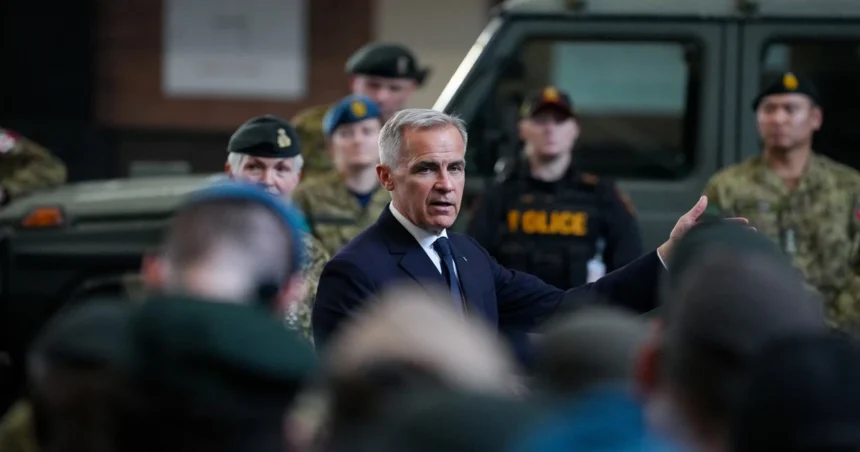
Canada is moving fast to meet its NATO defense commitments, with Prime Minister Mark Carney announcing that the country is on track to hit the 2% GDP spending target this fiscal year, a benchmark Canada has missed for years and one that has drawn repeated criticism from allies.
→ SF Unicorns vs MI NY Standings: Top Spot Held
The announcement came alongside the launch of Canada’s first Defense Industrial Strategy, a policy shift aimed at overhauling how the country buys and builds military equipment.
A Long-Overdue Reckoning With Defense Spending
Canada’s relationship with NATO’s 2% target has been awkward for over a decade. The country consistently ranked among the lowest spenders in the alliance, spending closer to 1.3% of GDP in recent years while partners like the United States grew increasingly vocal about burden-sharing. Carney’s government is framing the shift not as a reluctant concession to allied pressure, but as a strategic necessity driven by a changing global order.
The prime minister pointed to the erosion of the international rules-based system and rapid technological change as the core reasons Canada can no longer afford a slow, cautious approach to defense. The message was direct: rebuild, rearm, and reinvest.
What the New Strategy Actually Changes
The Defense Industrial Strategy targets a problem that has plagued Canadian procurement for years. The system has been slow, complicated, and heavily dependent on foreign suppliers, which meant Canadian companies rarely got the contracts, Canadian workers missed out on skilled jobs, and the military often waited too long for the equipment it needed.
The new approach is designed to funnel more defense investment into domestic industries, giving Canadian manufacturers the consistent demand they need to grow and compete. The goal is not just to spend more, but to spend in a way that builds long-term industrial capacity inside Canada.
Recruitment Numbers Are Also Moving
Beyond spending, the Carney government pointed to a nearly 13% rise in applications to join the Canadian Armed Forces. That figure matters because equipment and dollars only go so far without the personnel to use them. Recruitment has been a persistent challenge for the CAF, and an uptick in applications suggests some early momentum, even if translating applications into trained, deployable soldiers takes considerably longer.
Why the Timing Matters
Canada’s push to meet the NATO threshold arrives at a moment when the alliance is under real pressure to demonstrate collective resolve. With ongoing conflict in Europe and shifting dynamics in transatlantic relations, allies are watching whether Canada’s commitments hold or whether the 2% target becomes another number that slips past a deadline.
Carney’s government is betting that getting there this fiscal year, and building the industrial base to sustain it, changes the conversation about Canada’s role in the alliance for good.
Relevant posts
- Jon Ossoff Holds Double-Digit Lead Over Mike Collins in Georgia Senate Race, New Poll Shows
- Hudson River Gateway Project Lawsuit Shakes Rail Future
- San Francisco Unicorns Crush Washington Freedom by 8 Wickets
Visit atholtonnews.com for more stories.