



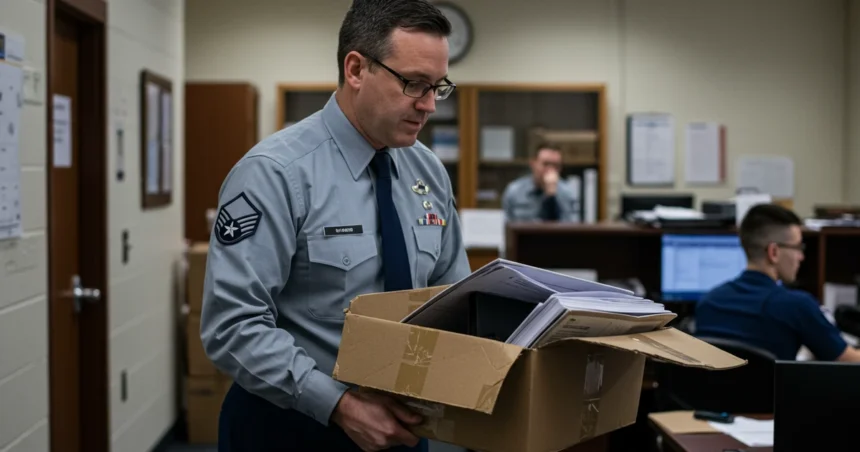
Air Force Academy Civilian Faculty Resignations: COLORADO SPRINGS, CO – An exodus of civilian professors from the U.S. Air Force Academy has triggered an accreditation review and raised serious questions about the institution’s future. The recent wave of air force academy civilian faculty resignations stems from budget cuts, federal workforce reduction programs, and a shift in staffing priorities that are creating turmoil at the prestigious military institution.
→ School Choice Showdown: States Draw Battle Lines
Our investigation reveals that since early 2025, dozens of civilian professors have departed, with some sources claiming the number could be as high as 100. This has led to larger class sizes, fewer course offerings, and a significant brain drain of experienced educators who provide long-term stability and academic continuity. The situation has become so concerning that the Higher Learning Commission, the academy’s accrediting body, has launched a formal inquiry.
→ The 10 a.m. School Bell: The Verdict Is In
Key Takeaways
- Mass Departures: Dozens of civilian professors have left the Air Force Academy since early 2025, primarily through a federal Deferred Resignation Program and early retirements.
- Accreditation at Risk: The significant loss of faculty has prompted a formal review by the Higher Learning Commission, which could impact the academy’s standing.
- Budget and Policy Driven: The resignations are linked to a $10 million budget shortfall in civilian pay and a Department of Defense effort to reduce its civilian workforce.
The controversy surrounding the air force academy civilian faculty resignations began after the implementation of a Deferred Resignation Program in early 2025. This program offered federal employees months of pay to quit, as the academy targeted 140 civilian positions for elimination to close a budget gap. The positions of those who accepted the buyout were not filled, leading to immediate staff shortages, particularly in science and engineering departments.
While the academy’s superintendent, Lt. Gen. Tony Bauernfeind, officially stated that 25 faculty members had departed, multiple sources inside the institution and in media reports suggest the actual number is far greater. This discrepancy has fueled a climate of uncertainty and low morale among the remaining staff, as noted in a Reddit thread discussing the departures.
The Impact of Air Force Academy Civilian Faculty Resignations
The loss of these experienced educators presents a significant challenge. Civilian professors, many of whom hold doctoral degrees, traditionally offer long-term stability to departments, train incoming military instructors, and maintain vital connections to the broader academic research community. Their departure has led to the academy augmenting its faculty with 19 additional military personnel, who, while bringing operational experience, may not have the same depth of teaching experience. This has led to concerns about maintaining academic rigor, a point Lt. Gen. Bauernfeind has contested, stating he can “confidently attest we are maintaining the academic rigor, accreditation, and high standards expected.”
The ongoing air force academy civilian faculty resignations have not gone unnoticed. One former professor, Dr. Brian Johns, spoke out publicly after resigning, stating he felt “betrayed” after leaving a tenured position at another college to join what he believed was a long-term appointment at the academy.
“For everyone who took [the buyouts], we are down a civilian faculty that’s not getting replaced.”
— Thomas Bewley, former Distinguished Visiting Professor, as reported by Newzire
This sentiment is echoed across online forums where faculty and alumni are discussing the crisis. A thread on the Service Academy Forums website highlights an internal email confirming the plan to cut 140 civilian staff members amid a $10 million pay shortage, causing widespread concern. The long-term effects of the air force academy civilian faculty resignations are still unfolding.
The reliance on a rotating cast of military instructors, who typically serve three-year assignments, may disrupt the continuity that long-serving civilian professors provide. This is a critical aspect of the educational environment, as highlighted in a 2013 RAND Corporation study which found civilian professors were also more cost-effective to employ. The current trend of air force academy civilian faculty resignations reverses a long-standing balance.
Timeline of Events
- Early 2025: The Deferred Resignation Program is rolled out, offering buyouts to federal employees. The Air Force Academy identifies 140 civilian positions for elimination.
- July 2025: An internal email confirms a $10 million gap in civilian pay for the fiscal year, and reports emerge of 50-100 instructors leaving.
- August 2025: Academy leadership confirms 25 faculty departures and announces the addition of 19 military instructors to fill gaps. Professor Brian Johns publicly resigns.
- January 2026: The Higher Learning Commission opens a formal review into the academy following the mass resignations.
- February 2026: A major leadership overhaul is announced, with the Superintendent and Commandant of Cadets set to retire.
The persistent issue of air force academy civilian faculty resignations has now become a central topic of discussion for alumni and watchdog groups. Many are calling for a pause on the cuts to properly assess the long-term staffing needs and prevent further damage to the institution’s academic integrity. The continued air force academy civilian faculty resignations represent a critical juncture for one of the nation’s premier military institutions. As the academy navigates this period of transition and scrutiny, the core mission to develop future leaders for the Air Force and Space Force hangs in the balance. The ongoing trend of air force academy civilian faculty resignations will undoubtedly have lasting repercussions.
Relevant posts
- Ryan Seacrest High School Stadium: Hometown Hero’s Return
- St Joseph Principal Erinn Dougherty: The Leaked Recording
- Philly Schools Crisis: A System Under Fire
Visit atholtonnews.com for more stories.