

Introduction
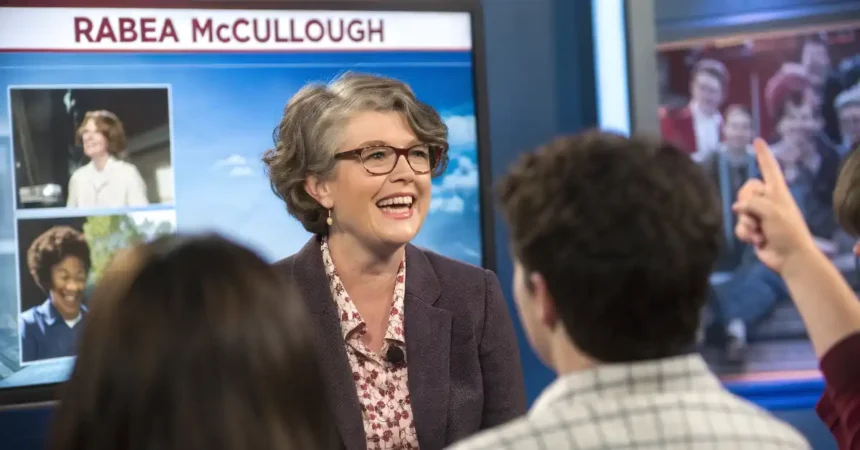
Rabea McCullough is gaining attention in today’s fast-moving digital and creative world. As an educator and teaching artist, she is known for combining creativity with community work. Through art education, youth development programs, and collaborative creative projects, it represents a growing group of educators who use art to inspire students and communities.
Who Is Rabea McCullough?
Rabea McCullough is recognized for her involvement in art education and community-based creative programs. She has worked as a teaching artist and educator, focusing on encouraging creativity and artistic expression among students.
Teaching artists like it play a unique role in modern education systems. Instead of focusing only on traditional academic teaching methods, they combine visual arts, storytelling, collaboration, and hands-on creative experiences to help students learn in engaging ways.
Programs involving Rabea McCullough often focus on:
- Youth creativity and artistic exploration
- Collaborative classroom projects
- Community art programs
- Educational storytelling and poetry projects
Her work reflects a broader movement in education that recognizes the importance of arts in developing critical thinking, emotional expression, and cultural awareness.
Early Career and Educational Involvement
While detailed biographical information about Rabea McCullough is not widely documented publicly, available information suggests that she has been actively involved in educational and artistic programs for several years.
One example of her involvement includes participation in student collaborative poetry initiatives, where teachers guided students to create collective poems reflecting personal experiences and social themes.
These types of projects are particularly popular in modern classrooms because they:
- Encourage student voice
- Promote creative thinking
- Help students explore emotions and identity
- Build collaboration skills
Educators like Rabea McCullough often help students combine literature and art, creating projects that go beyond standard textbook learning.
Role as a Teaching Artist
One of the most notable roles associated with Rabea McCullough is her work as a Resident Teaching Artist in community art programs. Teaching artists are professionals who bring real-world artistic experience into classrooms and community centers.
For example, she has been listed as part of a team of resident teaching artists involved in community art education initiatives. Drexel Hill Middle School
Responsibilities of a Teaching Artist
Teaching artists typically perform several important roles in education and community programs:
- Creative Instruction
They guide students in artistic techniques such as drawing, painting, or creative writing. - Community Engagement
Programs often connect students with their local communities through public art or collaborative projects. - Cultural Education
Teaching artists help students explore different cultures and artistic traditions. - Project-Based Learning
Instead of lectures, they use hands-on activities to teach concepts.
This type of educational approach is becoming increasingly popular because it improves student engagement and creativity.
Career Highlights of Rabea McCullough
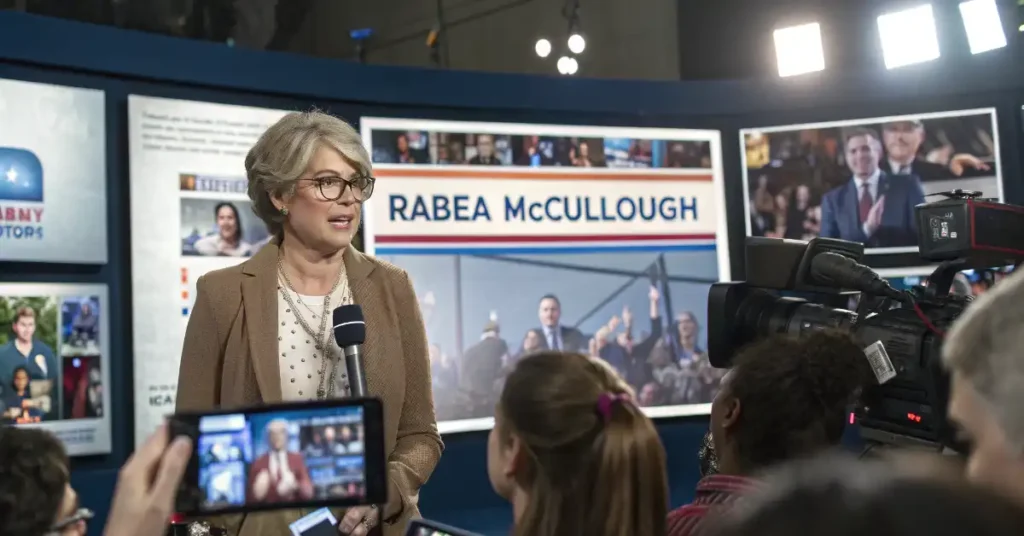
Although the public record is still developing, several career highlights help explain why it is gaining attention in educational and creative communities.
1. Collaborative Classroom Projects
One important contribution involves collaborative poetry and art programs where students work together to create shared creative pieces.
These projects often include themes such as:
- Community identity
- Personal experiences
- Cultural diversity
- Emotional expression
Such projects allow students to explore their creativity while learning teamwork and communication skills.
2. Teaching Artist Residency
Being part of a teaching artist residency program is another notable highlight. Residency programs bring artists into schools or community organizations for extended teaching sessions. Music Industry
During these programs, artists work with students on projects that may include:
- Mural painting
- Visual storytelling
- Community art installations
- Poetry and literature workshops
These programs help students see how art can influence society and community life.
3. Educational Innovation
Modern educators are constantly searching for new ways to improve learning experiences. Rabea McCullough represents a generation of educators who integrate:
- Art
- Storytelling
- Creativity
- Emotional learning
This approach aligns with global education trends that emphasize creative problem solving and interdisciplinary learning.
Table: Key Information About Rabea McCullough
| Category | Details |
| Name | Rabea McCullough |
| Profession | Teaching Artist / Educator |
| Main Field | Art Education |
| Key Activities | Creative teaching, student art programs, collaborative poetry |
| Known For | Educational art initiatives and teaching artist roles |
| Focus Areas | Youth creativity, community art, collaborative learning |
| Public Interest | Growing attention in education and arts communities |
Importance of Art Education in Modern Schools
The work of Rabea McCullough reflects a broader educational trend: the growing importance of arts in schools. Consejo Federal de Educacion
For many years, academic systems focused heavily on subjects like mathematics and science. While those subjects remain important, research now shows that art education provides several critical benefits.
Benefits of Art Education
- Improves Creativity
Students learn to think beyond standard solutions. - Builds Emotional Intelligence
Art helps students express feelings and understand others. - Encourages Collaboration
Group art projects teach teamwork. - Enhances Academic Performance
Studies suggest that creative activities can improve overall learning outcomes. - Boosts Confidence
Creating artwork helps students feel proud of their achievements.
Educators like it help bring these benefits to classrooms through innovative teaching methods.
Public Reactions and Online Interest
Interest in Rabea McCullough has grown as people search for information about educators who are active in creative teaching programs.
Online discussions about teaching artists often highlight:
- The impact of arts in schools
- Community art projects
- The importance of creative learning
Public reaction is generally positive because teaching artists help bridge the gap between education and real-world creativity.
Parents, teachers, and education advocates often support programs involving teaching artists because they:
- Make learning more engaging
- Provide unique experiences for students
- Encourage cultural understanding
Why Teaching Artists Are Becoming More Important
The increasing interest in educators like Rabea McCullough reflects a larger shift in global education.
Traditional classroom methods are evolving to include project-based learning, arts integration, and creative exploration.
Teaching artists help schools achieve these goals by providing:
- Real artistic experience
- Hands-on creative projects
- Community collaboration opportunities
Many education systems now partner with artists, writers, musicians, and designers to enrich student learning experiences.
Challenges Faced by Teaching Artists
Despite the growing popularity of art education programs, teaching artists sometimes face several challenges.
1. Funding Limitations
Many arts programs rely on grants or community support. Limited funding can affect how long programs run.
2. Curriculum Integration
Some schools struggle to integrate art programs with traditional academic requirements.
3. Public Awareness
Not everyone understands the importance of arts in education, which can affect program support.
However, educators like Rabea McCullough continue to promote creative learning despite these challenges.
Future Outlook for Rabea McCullough
As educational systems continue evolving, professionals involved in creative education will likely gain more visibility.
For Rabea McCullough, future opportunities may include:
- Expanded teaching artist programs
- Community art leadership roles
- Educational workshops
- Creative curriculum development
The demand for educators who combine art, culture, and community engagement is expected to grow in the coming years.
Conclusion
The growing attention around Rabea McCullough highlights the important role of teaching artists in modern education. Through creative projects, collaborative classroom initiatives, and community art programs, educators like her help students explore creativity while building important life skills.
Her work reflects a broader educational movement that values art, expression, and experiential learning as essential components of student development. As schools continue to explore new ways to inspire students, the contributions of teaching artists such as it will likely become even more important.
For More Latest Updates Atholton News