



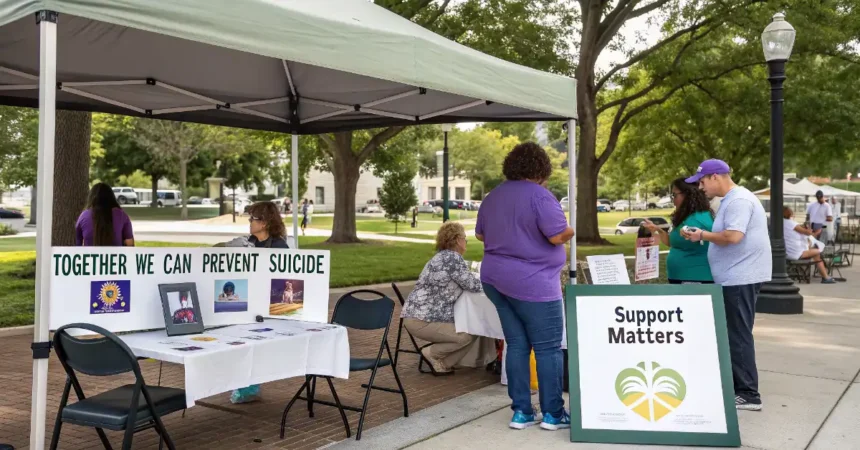
Baltimore County Suicide Prevention Program is transforming the landscape of mental health in Maryland as we move through 2026. While traditional emergency services once struggled to keep pace with rising mental health demands, a specialized, data-driven approach is now taking center stage. The program has become a national blueprint for how local governments can successfully pivot from law enforcement-heavy responses to clinician-led interventions.
Key Takeaways
- Clinician-Led Response: The integration of the 988 Suicide & Crisis Lifeline with local mobile crisis teams has significantly reduced unnecessary hospitalizations.
- Diversion Success: Over 95% of participants in specialized behavioral health diversion programs remained stable and avoided legal incidents in the past year.
- Data-Driven Care: The county’s use of BCSTAT data dashboards allows officials to identify high-risk areas and deploy resources in real-time.
How is Baltimore County Changing the Narrative?
If you’ve been following the evolution of public health in Maryland, the current shift toward “deflection” won’t come as a surprise. Our analysis suggests that the county’s success isn’t just about more funding—it’s about smarter allocation. According to the latest Maryland Department of Health reports, the focus has moved toward “holistic and proactive” training for first responders.
Industry insiders are noting that the “Baltimore Model” succeeds because it treats a mental health crisis as a medical emergency rather than a criminal one. By pairing a licensed clinician with a specially-trained officer, the Baltimore County Crisis Response System (BCCRS) ensures that help is both safe and clinical.
UMD Baby Horse Charm Born During Spring Break Surprises Students
What does this mean for residents?
For families in Baltimore County, this means that calling for help no longer automatically triggers a high-stress police encounter. Instead, the Santé Group and other partners provide rapid-response teams that can stabilize individuals in their own homes.
| Service Component | Primary Function | Availability |
| 988 Lifeline | Immediate phone/text support and triage | 24/7 |
| Mobile Crisis Team | In-person clinical assessment and stabilization | 24/7 |
| 911 Diversion | Redirecting mental health calls away from police | 16 hours/day |
| Urgent Care Center | Walk-in diagnostic evaluations & assessments | 7 days/week |
Why is 2026 a turning point for prevention?
We found that the current fiscal year is particularly critical due to the conclusion of the American Rescue Plan (ARPA) funding cycle. To ensure these programs remain sustainable, the Mental Health Association of Maryland is pushing for Medicaid reimbursement for mobile crisis services, which would bridge the “budget holes” left by expiring grants.
Steps to access support today:
- Call or Text 988: The fastest way to reach a trained specialist.
- Request a Mobile Team: If an in-person visit is needed, request the Mobile Crisis Team through the 988 operator.
- Utilize Urgent Care: Visit the Santé Baltimore County Urgent Care Center for diagnostic evaluations without a hospital wait time.
The data is clear: when we prioritize empathy over enforcement, lives are saved. As the 2026 legislative session continues, we will be watching closely to see if the state provides the permanent funding needed to keep these life-saving teams on the road.
For More Latest Updates Atholton News