



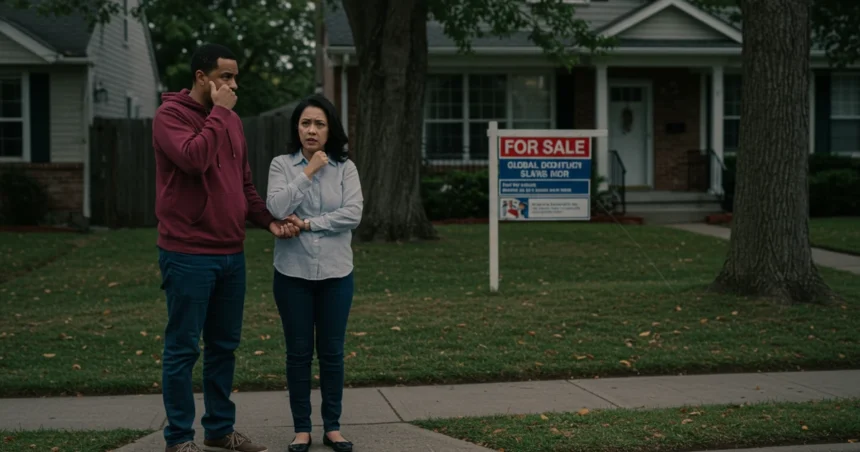
The spring 2026 homebuying season is being defined by a jarring contradiction. Our team has observed that while market conditions are tilting in favor of buyers, a new wave of global uncertainty is driving mortgage rates higher, creating a complex and challenging landscape for real estate. This unexpected volatility is directly impacting buyer affordability.
→ Rutgers Golfer Shatters Expectations at The Masters
The primary driver is a sudden spike in mortgage rates, complicating what many hoped would be a more accessible market. After dipping below 6% in late February, the average 30-year fixed rate has climbed to around 6.46%, its highest point in months. This reversal is not tied to typical domestic economic shifts but to international conflict, which has fueled inflation concerns and pushed borrowing costs upward for the American homebuyer. The landscape of real estate is shifting under these new pressures.
→ Ceasefire Clock Ticking on U.S.-Iran Standoff
Despite the rate hikes, buyers who can secure financing are finding more negotiating power than they have had in years. The number of homes for sale is up, and price cuts are becoming more common as sellers adjust their expectations. This creates a unique, if challenging, moment in real estate.
“The war in Iran has seriously complicated the spring buying season. I expect that many buyers will be put off by rising rates and mounting economic uncertainty, choosing to bide their time rather than jumping on board for a purchase before rates go up.” – Joel Berner, senior economist at Realtor.com
This sentiment is echoed in online forums where prospective buyers are weighing their options. A recent discussion on Reddit highlights the frustration, with users debating whether to lock in a rate now or wait, fearing they could lose purchasing power.
For more discussion, see this discussion on Reddit.
A Tale of Two Markets: Rates vs. Inventory
The current real estate market presents a clear paradox. On one hand, rising mortgage rates are squeezing budgets. On the other, improved inventory and seller flexibility are creating opportunities that were nonexistent during the frenzied years of the pandemic.
This tug-of-war is evident in the latest mortgage data. Our analysis shows a marked increase in borrowing costs compared to just a week ago, a direct consequence of global economic jitters. This makes the overall cost of purchasing a home more expensive, even if the sticker price is negotiable. The real estate sector is watching these figures closely.
| Mortgage Product | Average Rate (April 2, 2026) | Rate Last Week | Change |
|---|---|---|---|
| 30-Year Fixed-Rate | 6.46% | 6.38% | +0.08 |
| 15-Year Fixed-Rate | 5.77% | 5.75% | +0.02 |
The Outlook for the 2026 Real Estate Market
Experts are cautiously watching how these competing forces will shape the remainder of the year. The National Association of Realtors® (NAR) had previously forecast a significant rebound in home sales for 2026, banking on stabilizing rates and rising inventory. Certain markets, identified as “hot spots,” are still expected to perform well due to strong job growth and better affordability.
Cities like Jacksonville, FL, and Indianapolis, IN, have been highlighted as top markets for first-time buyers due to a better balance of home prices and local incomes. However, the sustainability of this positive outlook for the broader real estate market will heavily depend on the trajectory of mortgage rates in the coming months. For now, the dream of homeownership for many is tied not just to local market dynamics but to events unfolding thousands of miles away. This evolving situation is a key focus for anyone involved in real estate.
Key Takeaways
- Rising Mortgage Rates: The average 30-year fixed mortgage rate has risen to 6.46%, complicating the spring buying season.
- Geopolitical Impact: International conflict is causing oil prices to surge, which is fueling inflation fears and pushing mortgage rates higher.
- Buyer’s Leverage: Despite higher rates, buyers are finding more homes for sale and greater willingness from sellers to negotiate on price, creating a more buyer-friendly market than in recent years.
Relevant posts
- 49ers vs Cleveland Browns Match Player Stats Reshaping 2026 Strategy
- Miami Heat vs Cleveland Cavaliers Match Player Stats: Key Data
- Bowie State University Entrepreneurship Program: Why It Matters in 2026
Visit atholtonnews.com for more stories.