



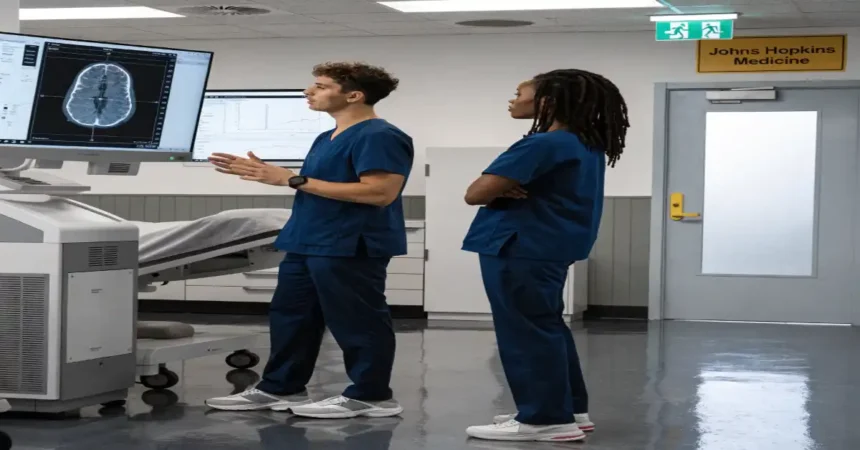
Introduction
Radiology Jobs at Johns Hopkins Medicine are among the most respected career opportunities in the healthcare industry. Medical imaging plays a critical role in modern medicine, helping doctors diagnose and treat diseases quickly and accurately. As healthcare technology continues to evolve in 2026, radiology professionals are in high demand across hospitals, research centers, and diagnostic labs.
One of the leading institutions offering rewarding opportunities in this field is the Johns Hopkins Medicine. Known for world-class research, cutting-edge imaging technology, and excellent patient care, the organization offers a wide range of radiology positions for technologists, physicians, researchers, and imaging specialists.
In this article, we will explore career opportunities, job roles, qualifications, benefits, and the latest developments in radiology careers at Johns Hopkins Medicine in 2026.
Overview of Johns Hopkins Medicine
The Johns Hopkins Medicine is one of the most recognized healthcare systems in the world. Radiology Jobs at Johns Hopkins Medicine includes several hospitals, outpatient centers, and research institutions dedicated to improving global health.
The flagship facility, The Johns Hopkins Hospital, has been a pioneer in medical discovery for more than 125 years and is consistently ranked among the top hospitals in the United States.
The radiology department within Johns Hopkins is especially notable for:
- Advanced imaging technologies
- Leading research in radiological science
- Training programs for future radiologists
- Patient-centered diagnostic care
The institution’s Russell H. Morgan Department of Radiology and Radiological Science focuses on combining patient care, medical education, and innovative research to improve diagnostic imaging worldwide.
Why Choose a Career in Radiology?
Radiology Jobs at Johns Hopkins Medicine is one of the fastest-growing medical specialties. Medicine imaging technologies such as MRI, CT scans, ultrasound, and digital X-rays have become essential tools in healthcare.
Here are some reasons professionals choose radiology careers:
1. High Demand for Imaging Professionals
Healthcare providers rely heavily on imaging to diagnose conditions such as cancer, fractures, cardiovascular diseases, and neurological disorders.
2. Technology-Driven Field
Radiology combines medicine with advanced technology, including:
- Artificial Intelligence (AI)
- 3D imaging
- Interventional radiology
- Image-guided procedures
3. Competitive Salaries
Radiology professionals typically earn competitive salaries due to their specialized training and technical skills.
4. Career Growth Opportunities
Radiology offers multiple career paths including:
- Diagnostic radiology
- Interventional radiology
- Imaging research
- Medical physics
Why a Summer Internship in Towson MD Defines Your 2026 Career
Types of Radiology Jobs at Johns Hopkins Medicine
Radiology Jobs at Johns Hopkins Medicine cover a wide variety of specialties and roles. These jobs range from entry-level imaging technicians to highly specialized radiologists and imaging scientists.
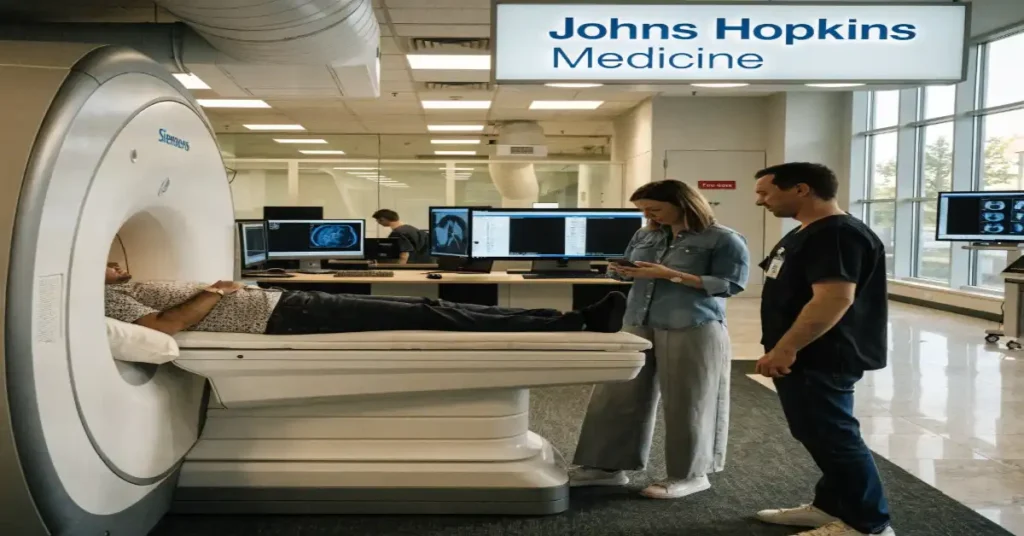
Below are some of the common roles available.
1. CT Technologist
A Computed Tomography (CT) Technologist operates CT scanners to produce detailed cross-sectional images of the body.
Key responsibilities include:
- Preparing patients for CT scans
- Operating imaging equipment
- Monitoring patient safety
- Assisting physicians during procedures
Johns Hopkins also offers CT training programs and internships for radiologic technologists looking to expand their skills.
2. MRI Technologist
MRI technologists perform diagnostic imaging using magnetic resonance imaging machines.
Their duties include:
- Conducting MRI scans
- Monitoring patient positioning
- Producing high-quality diagnostic images
- Working closely with radiologists
MRI imaging is crucial for diagnosing conditions involving the brain, spine, muscles, and organs.
3. Cardiovascular Radiology Technologist
Cardiovascular technologists assist doctors in imaging the heart and blood vessels.
Typical tasks include:
- Supporting cardiac catheterization procedures
- Operating imaging equipment
- Recording diagnostic data
- Monitoring patient vitals
These specialists play a major role in detecting cardiovascular diseases.
4. Sonographer
Sonographers use ultrasound technology to create images of internal organs and tissues.
Common sonography specialties include:
- Cardiac sonography
- Obstetric ultrasound
- Abdominal imaging
- Vascular ultrasound
Johns Hopkins frequently recruits skilled cardiac sonographers for hospital and outpatient imaging centers.
5. Chief Imaging Technologist
This leadership role involves supervising radiology staff and managing imaging departments.
Responsibilities include:
- Managing imaging teams
- Ensuring quality standards
- Maintaining equipment
- Overseeing workflow and patient scheduling
Table: Common Radiology Jobs at Johns Hopkins Medicine
| Job Title | Main Responsibilities | Required Education | Work Environment |
| CT Technologist | Perform CT scans and assist doctors | Radiologic Technology Degree | Hospitals & imaging labs |
| MRI Technologist | Conduct MRI diagnostic scans | MRI certification | Medical imaging centers |
| Sonographer | Perform ultrasound imaging | Sonography training | Hospitals & clinics |
| Cardiovascular Technologist | Assist cardiac imaging procedures | Allied health degree | Cardiology departments |
| Chief Imaging Technologist | Manage radiology staff and operations | Advanced imaging experience | Hospital radiology departments |
Education and Skills Required
Radiology Jobs at Johns Hopkins Medicine professionals must have both medical knowledge and technical skills.
Educational Requirements
Common qualifications include:
- Associate or Bachelor’s degree in Radiologic Technology
- Certification from professional boards
- Clinical training in imaging procedures
For radiologists (physicians), requirements include:
- Medical degree (MD or DO)
- Radiology residency training
- Board certification
Important Skills for Radiology Professionals
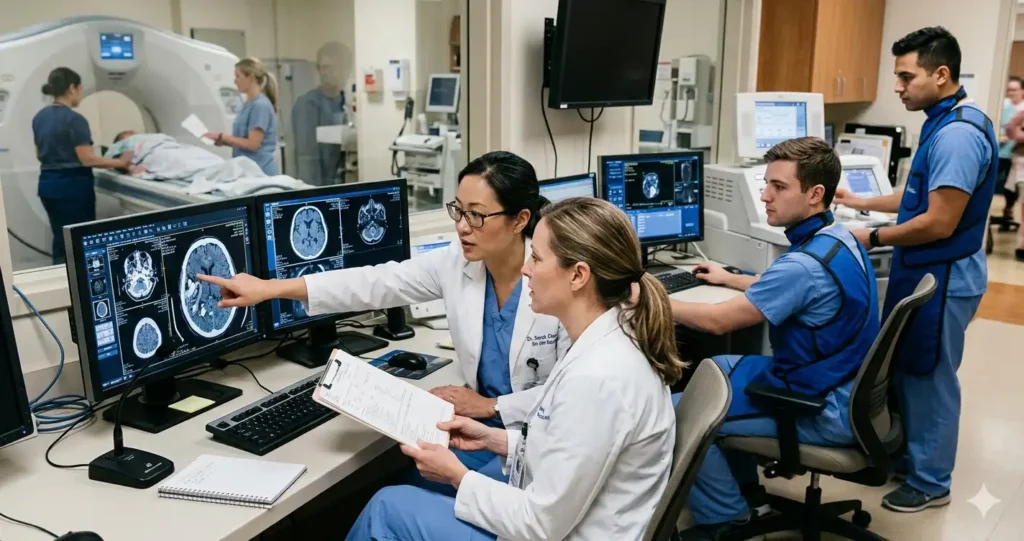
To succeed in radiology careers, professionals should have the following skills:
Technical Skills
- Imaging technology operation
- Diagnostic analysis
- Radiation safety protocols
Soft Skills
- Communication with patients
- Attention to detail
- Team collaboration
Radiology Residency and Training Programs
Training programs are an important part of Radiology Jobs at Johns Hopkins Medicine. The institution offers residency and fellowship opportunities to develop the next generation of imaging specialists.
Recent program improvements include:
- Advanced audio-visual learning technology
- Interactive digital teaching systems
- Updated conference rooms for medical training
These improvements support modern radiology education and research programs.
Radiology Jobs at Johns Hopkins Medicine: Career Opportunities in Medical Imaging
Radiology Jobs at Johns Hopkins Medicine are among the most respected career opportunities in the healthcare industry.https://t.co/UPYH0jDSeM
— Atholton News (@atholtonnews55) April 6, 2026Benefits of Working at Johns Hopkins Medicine
Healthcare professionals often choose Johns Hopkins because of its strong employee benefits and career growth opportunities.
Key Benefits Include
1. Competitive Compensation
Radiology Jobs at Johns Hopkins Medicine professionals may receive competitive salary packages along with sign-on bonuses for specialized roles.
2. Career Development
Employees can participate in:
- Training programs
- Professional development courses
- Continuing medical education
3. Tuition Assistance
The organization provides tuition support for employees and sometimes their dependents.
4. Collaborative Work Environment
Staff members collaborate with top researchers and clinicians across multiple specialties.
Technology and Innovation in Radiology
Radiology Jobs at Johns Hopkins Medicine continues to evolve with new technologies and research initiatives.
Recent advancements include:
- PET/CT scanners
- Advanced MRI systems
- AI-assisted image analysis
- Image-guided treatments
New imaging equipment and expanded outpatient imaging sites help improve diagnostic accuracy and patient care.
Work Locations and Facilities
Radiology professionals at Johns Hopkins may work in various healthcare facilities within the health system.
Major facilities include:
- The Johns Hopkins Hospital
- Johns Hopkins Bayview Medical Center
- Johns Hopkins Howard County Medical Center
- Sibley Memorial Hospital
These hospitals and imaging centers serve patients across Maryland, Virginia, and Washington, D.C.
Career Growth in Radiology
Radiology professionals can advance their careers in several ways.
Possible Career Paths
- Senior technologist roles
- Radiology department management
- Research and academic positions
- Subspecialty training (neuroradiology, oncology imaging)
With experience and additional training, technologists may transition into supervisory or leadership positions.
How to Apply for Radiology Jobs at Johns Hopkins Medicine
Applying for Radiology Jobs at Johns Hopkins Medicine typically involves the following steps:
- Visit the official Johns Hopkins career website
- Search for radiology or imaging positions
- Submit an online application
- Upload required documents (resume, certifications)
- Attend interviews and assessments
Candidates may apply for positions such as CT technologist, MRI technologist, sonographer, or imaging educator depending on their qualifications.
Future of Radiology Careers (2026 and Beyond)
Radiology careers are expected to grow significantly in the coming years.
Several trends are shaping the future of the field:
Artificial Intelligence Integration
AI tools are assisting radiologists in detecting diseases faster and improving diagnostic accuracy.
Tele-Radiology Expansion
Remote image analysis allows radiologists to review scans from different locations.
Precision Medicine
Imaging data helps doctors design personalized treatment plans.
Advanced Imaging Techniques
Technologies such as functional MRI and molecular imaging are expanding diagnostic capabilities.
These trends make radiology one of the most exciting healthcare careers in the modern medical landscape.
Conclusion
Radiology Jobs at Johns Hopkins Medicine offer exceptional opportunities for professionals interested in medical imaging and healthcare technology. With world-class facilities, advanced diagnostic equipment, and strong training programs, the organization continues to lead the field of radiology.
From CT technologists and MRI specialists to imaging educators and research scientists, Johns Hopkins provides a wide range of career paths for both new graduates and experienced professionals.
Relevant posts
- Quest Diagnostics Careers: Latest Job Openings & Hiring Opportunities 2026
- Production Jobs in Maryland – Apply Online with Randstad USA
- Production Occupations Jobs in Maryland: 2026 Growth Trends
For More Latest Updates Atholton News