



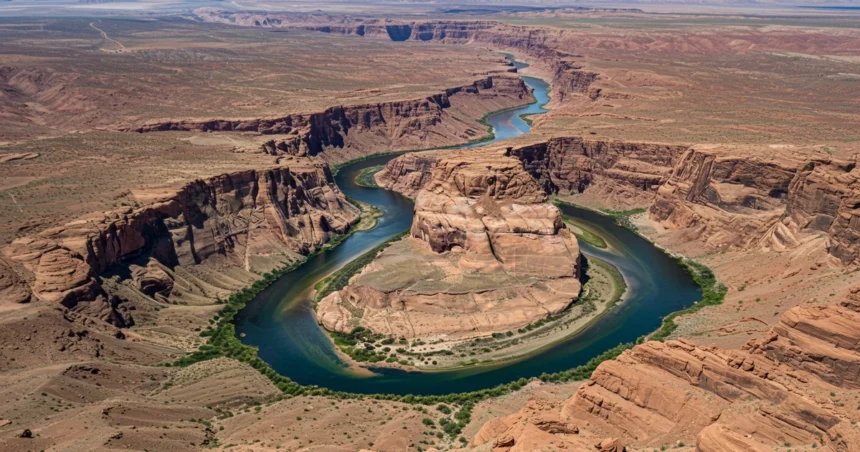
WASHINGTON D.C. – Federal officials are preparing for emergency actions as new forecasts predict a catastrophically dry spring for the Colorado River, with inflows to Lake Powell projected to be just 22% of the historical average. Our team has learned this comes as groundbreaking new research reveals why the river is vanishing before our eyes, solving a puzzle that has stumped water managers for two decades. The crisis facing the colorado river now threatens the water supply for 40 million Americans and is forcing a reckoning a century in the making.
→ Why Utah Jazz vs Phoenix Suns Match Player Stats Today
For years, even in winters with decent mountain snowpack, the expected amount of water has failed to materialize downstream. A new study published today in Science provides a critical answer: warmer, drier springs are the culprit. Our analysis of the research from the University of Washington shows that a lack of spring rain, combined with more sunshine, is causing thirsty plants and parched soil to absorb massive amounts of snowmelt before it can ever reach the riverbed. This process accounts for nearly 70% of the “missing” water.
→ Why You Need a Nutrition Calculator for Your Health Goals
This revelation comes at a perilous moment. The seven states sharing the river—Colorado, Wyoming, Utah, New Mexico, Arizona, Nevada, and California—have once again failed to agree on a new water-sharing plan before the current operating guidelines expire in 2026. The stalemate between the Upper and Lower Basin states over who should bear the burden of cuts has pushed the colorado river system to the brink.
“The stakes couldn’t be higher for our lower basin states of Arizona, California and Nevada… all seven basin states must share in the responsibility of conservation.” – Joint statement from the governors of Arizona, California, and Nevada.
The core of the dispute lies in the century-old agreements that govern the colorado river, which were based on flawed estimates from an unusually wet period. Today, the river carries nearly 20% less water than it did in the 20th century. The Lower Basin states have offered significant cuts, but argue the Upper Basin must also commit to reductions, a move the upstream states have so far resisted.
This political paralysis is colliding with a grim hydrological reality. Federal forecasters now warn that the spring and early summer inflows into Lake Powell may be among the lowest in recorded history. Our team confirmed that these dire projections have triggered plans within the Interior Department for emergency releases from upstream reservoirs, like Flaming Gorge, just to keep Lake Powell from falling below levels needed to generate hydropower. This is a last-ditch effort to prevent a key component of the colorado river infrastructure from failing.
The ongoing crisis is a frequent topic of intense discussion on social media, with many citizens expressing frustration over the lack of a unified solution, as seen in this Reddit thread on r/water. The failure to manage the colorado river has led to widespread concern about the future of agriculture and major cities in the Southwest.
Expert Q&A
To understand the path forward, we consulted several expert analyses on the colorado river crisis.
Q: What is the biggest obstacle in the negotiations?
A: The primary conflict is structural. According to reports from AP News, the Lower Basin states (Arizona, California, Nevada) have already agreed to cuts but insist that the Upper Basin states (Colorado, Utah, Wyoming, New Mexico), which are closer to the headwaters, must also share in the mandatory reductions during this historic drought. The Upper Basin has so far refused, arguing they use less than their full allocation.
Q: What happens if the states can’t agree by the 2026 deadline?
A: If no consensus is reached, the federal government will be forced to impose its own framework for managing the colorado river. This is a scenario most states want to avoid, as it could lead to years of litigation and outcomes that are worse for all water users, according to water policy experts cited by The Guardian.
Spring Inflow Forecast: Lake Powell
The latest projections from federal forecasters paint a stark picture for the coming months. The expected inflow into this critical reservoir on the colorado river is a fraction of what is considered normal.
| Forecast Period | Projected Inflow (Acre-Feet) | Percent of 30-Year Average |
|---|---|---|
| April-July 2026 | 1.4 million | 22% |
| Water Year 2026 | 3.87 million | 40% |
| Data Source: U.S. Bureau of Reclamation, April 2026. |
This dramatic shortfall is the direct result of a record-warm winter and historically low snowpack across the Rocky Mountains. The situation underscores the urgency for a new management plan for the entire colorado river basin that reflects the new, drier reality. According to a recent report from The Nature Conservancy, the region is becoming permanently hotter and drier due to climate change, a process known as aridification.
Key Takeaways
- New research pinpoints warmer, drier springs as the main reason for the Colorado River’s declining flow, with plants and soil absorbing snowmelt.
- Federal authorities are preparing emergency actions as inflow forecasts for Lake Powell drop to a catastrophic 22% of average.
- The seven basin states remain deadlocked on a post-2026 water-sharing agreement, increasing the likelihood of federally imposed cuts.
Relevant posts
- Memphis Grizzlies vs San Antonio Spurs Match Player Stats Today
- New Orleans Saints vs Seahawks match player stats: Why Seattle’s 44-13 blowout matters in 2026
- lausd teachers strike update: Down to the Wire
Visit atholtonnews.com for more stories.