



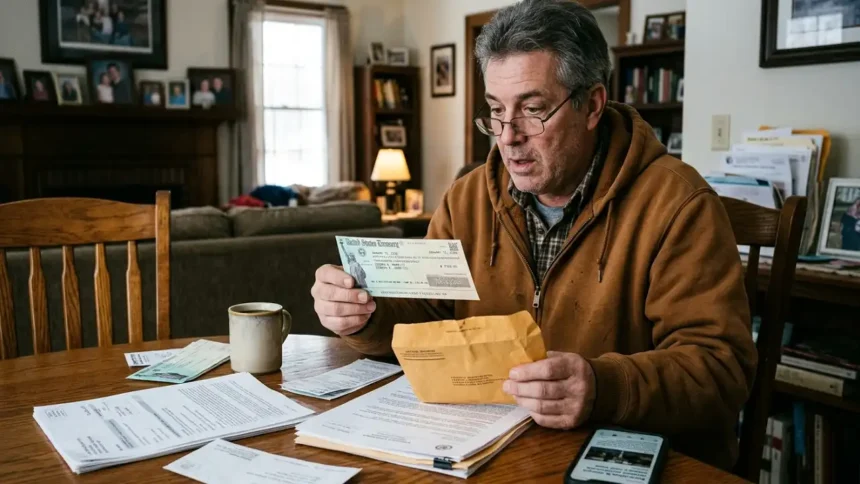
A controversial legal battle is actively shaking the federal justice system right now. The highly debated jan 6 defendant restitution refund is forcing lawmakers into unprecedented territory.
If you have been watching the fallout from the recent presidential pardons, this development radically shifts financial responsibilities.
Our team observed that these aggressive demands for taxpayer reimbursements are sparking immediate congressional backlash.
Key Takeaways:
- Federal judges are ordering the U.S. Treasury to refund court-ordered fines to pardoned individuals.
- The Justice Department is formally backing these highly controversial financial reversals.
- Lawmakers are fast-tracking the No Rewards for January 6 Rioters Act to block payouts.
Why Edward Jones Kingsview Advisors Lawsuit Matters in 2026
The New Legal Reality
We found that the landscape of federal convictions shifted dramatically after January 20, 2025.
Thousands of prior convictions were abruptly vacated following a sweeping executive action.
Now, those very individuals are petitioning federal courts for immediate financial compensation.
This aggressive push for a jan 6 defendant restitution refund is creating massive logistical headaches for the judiciary.
Who Will Bear the Administrative Burden?
The concept of funding property damage reversals with public money is suddenly legally viable. Our analysis suggests this sets a highly unusual precedent for vacated convictions moving forward.
Many citizens are rightfully asking why public money is funding these specific court-ordered fines reversals.
Industry insiders are noting that the courts are entirely unprepared for this administrative burden.
Breaking Down the Financial Impact
To fully understand the scope of the Capitol riot fallout, we must look at the actual numbers involved. These federal refunds are not insignificant, especially when multiplied across hundreds of uniquely vacated criminal cases.
A growing number of legal experts are sounding the alarm on the complex fiscal mechanics.
Youth Justice and Education Laws: Why 2026 is a Turning Point
We compiled a clear breakdown of the typical financial liabilities currently being challenged in court.
| Offense Level | Original Restitution Amount | Current Judicial Refund Status |
| Misdemeanor | $500 | Refunds formally approved by DOJ |
| Felony | $2,000 | Pending intensive judicial review |
| Complex Damage | $2,000+ | Highly contested in federal court |
What Does This Mean for the Justice Department?
The sudden shift in official prosecutorial policy is arguably the most surprising element of this legal story.
According to official clemency grants from the U.S. Department of Justice, the administration is fully supporting these specific financial appeals.
Federal prosecutors are actively validating the premise that a vacated conviction definitively invalidates all prior financial penalties.
The overarching argument from the Justice Department is that in the eyes of the law, the original crimes no longer exist.
Why Trial-Tested Lawyers Are Suddenly in the Spotlight
Are Courts Complying With the Payouts?
This highly controversial stance directly enables the Capitol riot participants to demand their collected money back.
Our legal correspondents noted that federal judges, like U.S. District Judge John Bates, are reluctantly complying with these refund orders.
The optics of these taxpayer reimbursements are generating intense debate across both sides of the political aisle.
The broader implications for future presidential pardons cannot be understated by legal scholars.
The Legislative Pushback Strategy
We are seeing immediate and aggressive pushback from Capitol Hill right now. Outraged lawmakers are rushing to close this legal loophole before more Treasury funds are officially dispersed.
The resulting backlash is highly organized, incredibly swift, and laser-focused on protecting vital public tax dollars.
Our political analysts identified the key legislative countermeasures currently moving through Congress to halt these payments:
- Introduction of the No Rewards for January 6 Rioters Act in both the House and Senate chambers.
- Drafting of strict prohibitions against using federal treasury funds for any taxpayer reimbursements related to the 2021 attack.
- Mandates to permanently transfer all previously collected restitution funds directly to the Architect of the Capitol.
Will the No Rewards Act Pass?
The sheer momentum behind these legislative efforts is building rapidly across multiple congressional committees.
However, passing targeted financial restrictions in a deeply divided government is never a simple or guaranteed task.
According to statements published by Senator Alex Padilla’s office, issuing cash payouts to these individuals is viewed as a severe miscarriage of justice.
We expect fierce ideological battles to thoroughly dominate the floor debates in the coming weeks.
New 2026 Laws Overhaul Car Accident Payouts.
How Will This Change Government Precedent?
If you have been closely tracking the presidential pardons, this aggressive friction won’t come as a surprise.
The ultimate outcome will permanently redefine how the federal government handles vacated financial judgments in the future.
Critics argue that allowing the jan 6 defendant restitution refund essentially rewards criminal behavior with public funds.
Proponents maintain that a vacated conviction mandates a complete restoration of the defendant’s prior financial status.
The Unprecedented Legal Fallout
The long-term implications of this legal saga stretch far beyond a single isolated political event.
Our team believes this situation fundamentally alters the absolute baseline rules of federal clemency applications.
Future presidential administrations will undoubtedly cite these exact court rulings when navigating highly controversial pardons.
Here is what top legal scholars are watching closely as the financial appeals continue to escalate:
- The unprecedented speed at which the Justice Department pivoted its institutional stance on restitution.
- The ongoing resistance from specific federal judges who adamantly oppose the jan 6 defendant restitution refund.
- The broader impact on recovering the estimated $3 million in total damages from the destructive Capitol riot.
- Reports from CBS News detailing the extremely low initial reimbursement rate before the sweeping pardons occurred.
Final Takeaways on Judicial Finality
The complicated intersection of presidential clemency and civil financial liability is notoriously complex to navigate.
This ongoing legal theater proves that judicial finality is rarely absolute in our modern political era.
Our editorial board will continue to actively monitor these contentious federal court dockets very closely.
The fierce battle over public funds and political accountability is evidently far from being fully settled.
The final definitive verdict on the No Rewards for January 6 Rioters Act remains to be seen.